

Cedars-Sinai is a nonprofit academic healthcare organization serving a diverse population in Los Angeles. Through groundbreaking medical research and educational programs that shape the future of healthcare and a wide range of community service, it sets new standards for quality and innovation in patient care. Read more at losangeles1.one.
Because the hospital is an integral part of the Los Angeles community, the physicians’ work extends beyond the hospital’s walls. Every day, they help the uninsured and underinsured through programs in schools, clinics, homeless shelters and community centers to improve health in the region. Learn more about the life story of the world’s richest surgeon, Dr. Patrick Soon-Shiong.
How was the hospital created?
In 1902, the Kaspare Cohn Hospital was opened in Los Angeles. Sixteen years later, the Bikur Cholim Society opened a two-room hospice at the hospital. In 1950, Emma and Hyman Levine purchased three and a half acres of land and donated the property to Mount Sinai Hospital under the auspices of their foundation. In 1955, a new hospital opened on Beverly Boulevard, the future site of Cedars-Sinai Medical Center. Two hospitals (Cedars of Lebanon and Mount Sinai) merged as Cedars-Sinai Medical Center in 6 years.
A decade of planning and preparation followed. In 1971, the first phase of construction of the medical center began. A $4 million gift from the Max Factor Family Foundation provided the money to begin construction of Cedars-Sinai. In 1972, the groundbreaking ceremony for the new 1,120-bed medical center took place.
In 1984, Cedars-Sinai Medical Center was designated as a Level 1 Trauma Center in Los Angeles County.
Since its founding in 1902, Cedars-Sinai Medical Center has grown to become the largest nonprofit hospital in the western United States. It is known worldwide for providing the best patient care that modern medicine has to offer. The team of doctors supports the residents of Los Angeles and is committed to providing expert patient care, working on breakthrough biomedical research and collaborating with graduate and medical students. Much has changed in the more than a century since the hospital’s founding, but the physicians’ commitment to patient care has only grown.
Research in the hospital
The Cedars-Sinai History of Medicine Program explores the evolution of medical knowledge and practice from antiquity to the present. Bringing together historians and scientists, it combines historical treatments with modern biomedical knowledge. This is necessary to improve understanding of the relationship between medicine, science and technology, nature and the experience of illness, doctors and patients in the world of medicine. The programs include a series of seminars and are held every two weeks. There is also a variety of six-week courses that can be taken throughout the year. They emphasize the social and institutional context of medicine and biomedical science, health inequities and the many ways in which knowledge is developed that impact disease prevention. The program serves as a center for historical research, where historians collaborate in a unique “laboratory” for the study of medical and scientific history.
This provides an opportunity for residents, fellows and faculty to engage in historical research under the mentorship of faculty. The History of Medicine Program is an affiliate of the Graduate School of Biomedical Sciences. Anyone from Cedars-Sinai Hospital or the Southern California health care community is welcome to participate in the programs. Online programs are open to audiences outside of Southern California.
Participants in the program can reflect on the nature of medical practice through the lens of the past. It will be of particular interest to visitors who seek to understand how the social, cultural, intellectual and institutional context of medicine has shaped its evolution to what it is in the 21st century.
Treatment with art
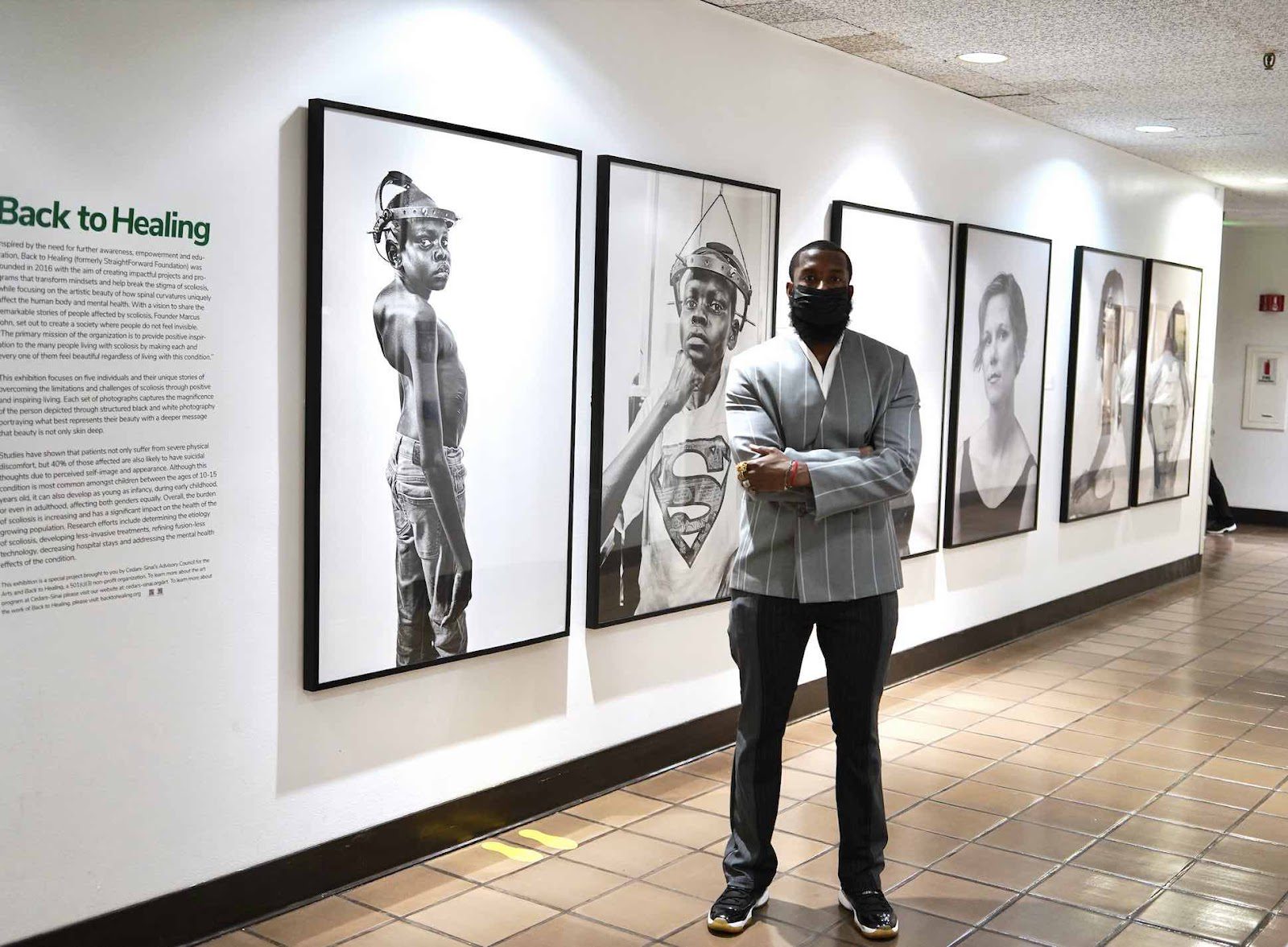
Patients, visitors and employees benefit uniquely from the creative environment that has been created at the hospital. Is it possible to see some of the world’s most popular works of art in a hospital? It is possible for patients and visitors to Cedars-Sinai Medical Center. Here you can see works by Pablo Picasso and Marc Chagall, sculptures by Jonathan Borofsky and Claes Oldenburg – all part of a collection of masterpieces that can reduce stress and help with recovery.
Each work of art appeared in the hospital thanks to generous donations from patrons. This practice was established at the center in the 1980s. Since then, the collection of therapeutic art has grown to more than 4,000 works by more than 1,200 artists.
The power of art therapy helps children quickly cope with trauma. The Share & Care program provides services to children and adolescents at risk. The Psychological Trauma Center, founded in 1981, helps children cope with disturbing events in their lives through weekly art therapy sessions.
Participants express their feelings by drawing and discussing their artwork during therapy sessions. The program has educational lectures on topics such as anger management, bullying, substance use disorder, grief and loss and serves 30 schools in the Los Angeles area. Teachers and school administrators refer children to Cedars-Sinai Share & Care because they are experiencing emotional and academic problems due to traumatic situations and stress.
The hospital has its own app
Cedars-Sinai Hospital’s app uses artificial intelligence and spatial computing to provide mental health support for patients. Artificial intelligence experts have developed a new app that utilizes the unique capabilities of Apple Vision Pro. It expands access to mental health support for patients, furthering Cedars-Sinai’s mission.
The researchers offered people a self-guided therapy session in a relaxed atmosphere – by a stream or on the ocean shore – to do deep breathing exercises and meditation. The app offers users a therapy session led by a digital specialist who is programmed to imitate the work of a therapist.
Doctors’ innovations
Cedars-Sinai Hospital is closer to predicting sudden cardiac arrest. Researchers have found that a new method of analyzing an electrocardiogram test can improve how doctors predict sudden cardiac arrest.
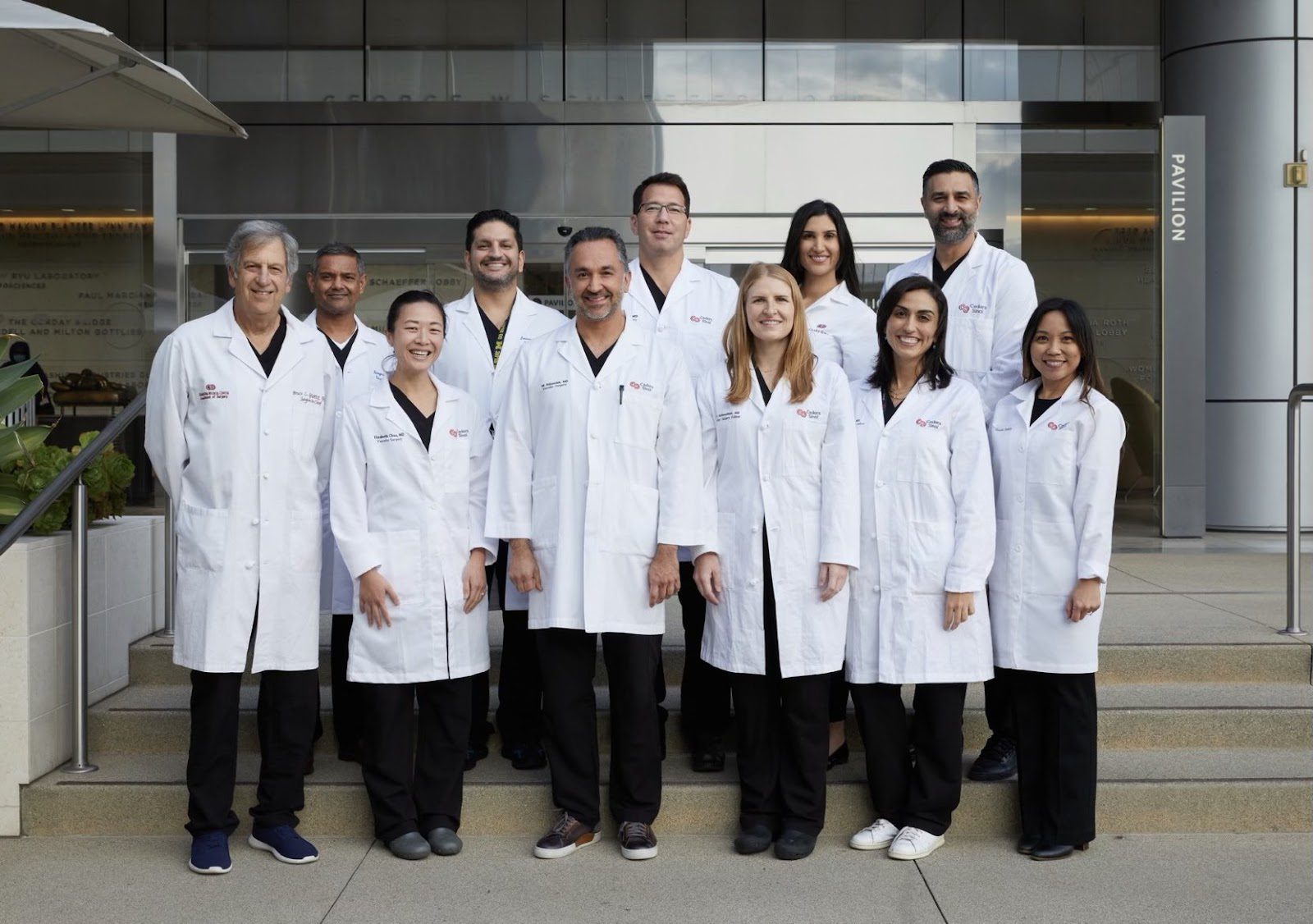
Sudden cardiac arrest remains a deadly and complicated condition, but researchers have discovered a new method – using a widely available cardiovascular test to predict heart failure.
“This is proof of a novel concept that while our current prediction methods measure a snapshot in time, increased risk of sudden cardiac arrest can have a measurable, dynamic component,” said Sumeet Chugh, MD, director of the Center for Cardiac Arrest Prevention at Cedars-Sinai.
Sudden cardiac arrest occurs when the electrical circuit in the heart fails and suddenly causes the heart to stop beating. The condition is fatal in 90% of cases. Therefore, the researchers concluded that patients who are at high risk of sudden cardiac arrest can be preventively treated with medication.