

The name Eli Broad is inseparable from the evolution of modern American business, particularly in Los Angeles. His career serves as a masterclass in how entrepreneurial thinking, strategic decision-making, and a calculated appetite for risk can build multi-billion-dollar companies. Simultaneously, Broad became one of the most prominent philanthropists of his time, investing massive sums into education, science, and the arts. Learn more at losangeles1.one.
Biography
Eli Broad was born on June 6, 1933, in New York City to Jewish immigrants from Lithuania. He spent his childhood in Detroit, where his father worked as a house painter and ran a small business. It was in this environment that he first grasped the fundamentals of hard work and economics.
During his time at Michigan State University, Broad majored in accounting, graduating cum laude in 1954. He quickly earned his CPA license, becoming one of the youngest professionals to achieve that status in Michigan at the time. While he began his career in accounting and teaching, Broad soon realized he had an itch to build his own business.
Kaufman & Broad
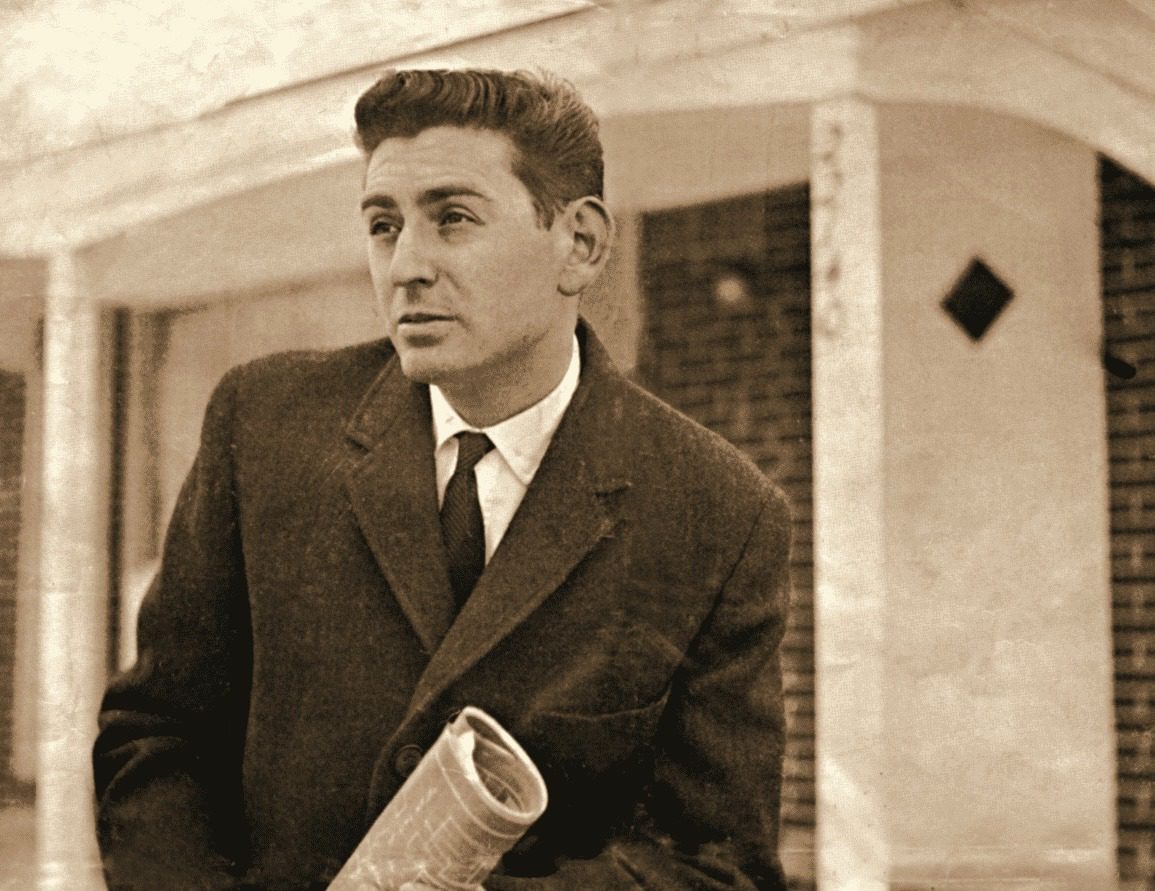
His career took a major turn in 1956 when he partnered with entrepreneur Donald Bruce Kaufman. Together, they founded Kaufman & Broad, a company specializing in affordable housing. Their concept was simple yet innovative: build homes that cost less per month than renting an apartment. By streamlining construction processes and eliminating expensive, non-essential features like basements, the company offered highly competitive prices.
Their first project was a massive success, with homes selling out in mere days. Within a few years, the company had built hundreds of properties. In the 1960s, the business expanded to Phoenix and eventually to Los Angeles. Later known as KB Home, the company became one of the first homebuilders to go public and played a pivotal role in the development of the American suburban landscape.
SunAmerica
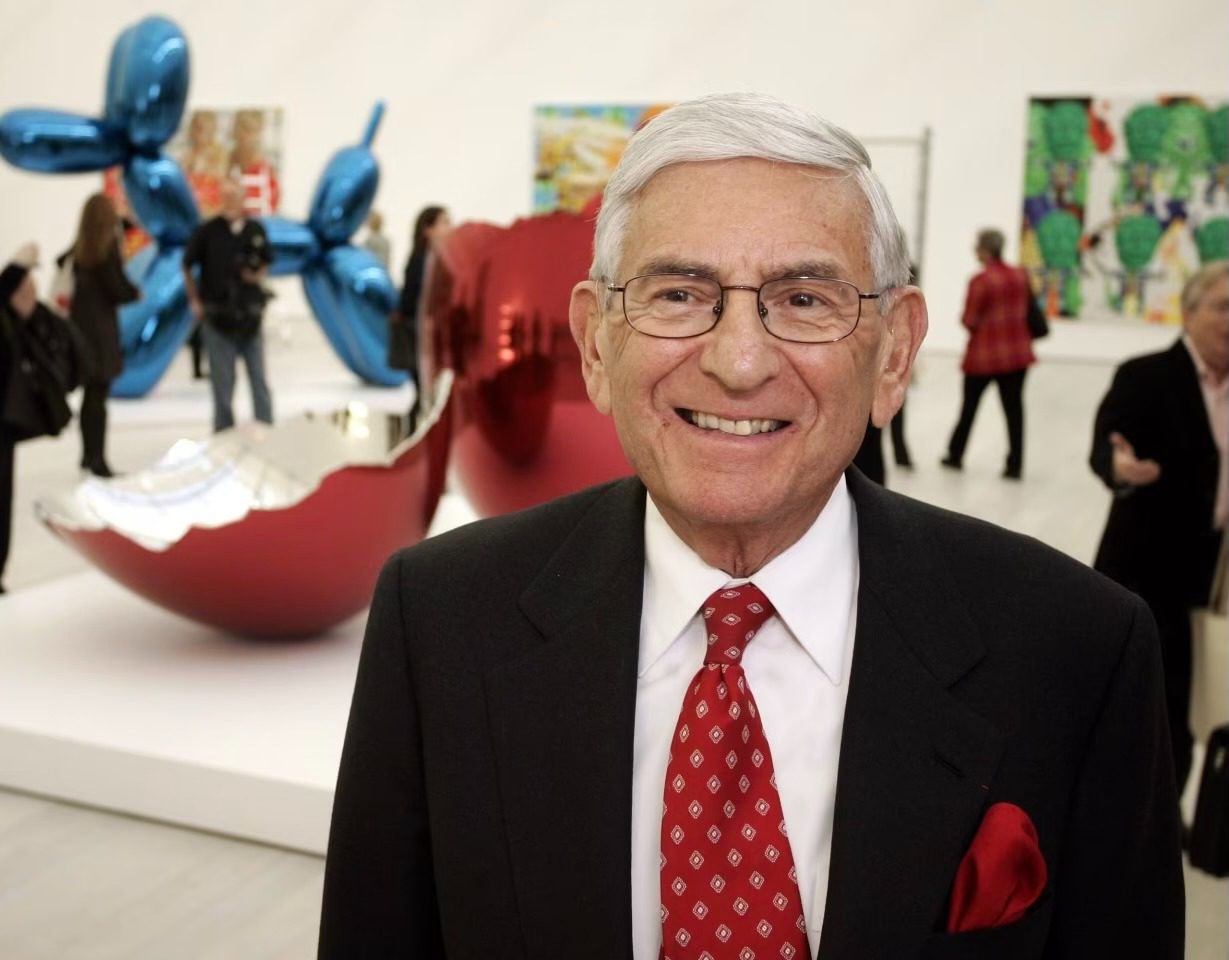
Broad’s next major career move came in 1971 with the acquisition of the Sun Life Insurance Company of America. He transformed it into SunAmerica, a financial corporation specializing in retirement savings and insurance. Under Broad’s leadership, the company grew rapidly and went public. In 1998, SunAmerica was sold to the American International Group (AIG) for $17.8 billion. This deal remains one of the most successful transactions in the financial sector to date. After the sale, Broad gradually stepped away from active business management to focus on philanthropy.
Eli Broad was known for his unconventional business philosophy. He believed success came to those willing to act against conventional wisdom. He elaborated on this idea in his book, The Art of Being Unreasonable, outlining the principles of his entrepreneurial mindset. His approach relied on market analysis, quick decision-making, and the ability to predict shifts in consumer behavior. These qualities allowed him to achieve remarkable results across vastly different industries.
Finances
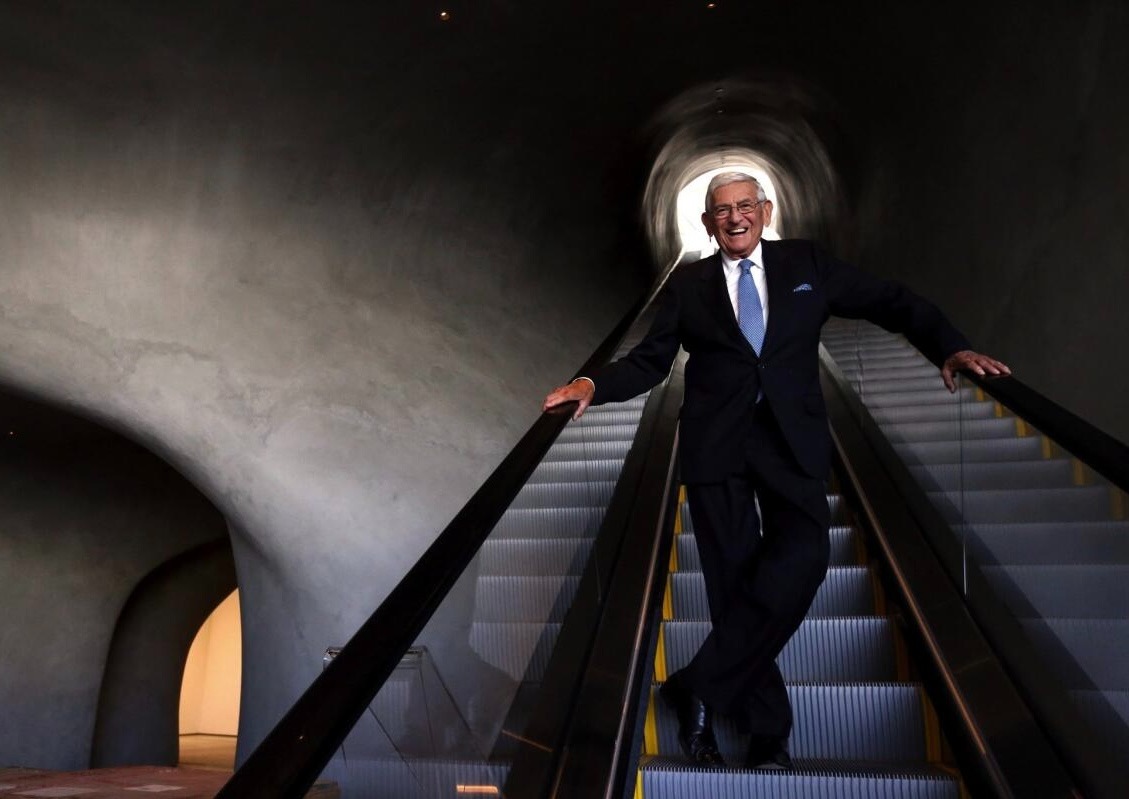
Eli Broad was among the wealthiest businessmen in the U.S. and simultaneously one of the greatest modern-day benefactors. His financial success was built on the foundation of two Fortune 500 corporations and strategic investments in the construction and insurance industries.
According to Forbes and other reputable financial publications, at the time of his death in 2021, Eli Broad’s net worth was estimated at approximately $6.9 billion. In previous years, this figure fluctuated between $5.5 billion and $7.5 billion, depending on market volatility and investment portfolio performance. Broad was a perennial member of the Forbes 400 list of the richest Americans. His wealth was highly diversified, with significant portions of his capital held in investment portfolios, real estate, and art assets.
The Philanthropist
After stepping back from active business, Broad and his wife established two charitable organizations: The Eli and Edythe Broad Foundation and The Broad Art Foundation. Through these channels, the couple directed over $5 billion toward education, science, and the arts. A significant portion of their work focused on reforming the American education system and supporting charter schools. Additionally, he invested heavily in scientific research, particularly in genomics and medicine.
One of Eli Broad’s most impactful projects was the creation of the Broad Institute of MIT and Harvard. In June 2003, the Broads announced the institute’s launch with an initial contribution of $100 million. The goal was to harness the potential of the human genome to revolutionize clinical medicine and provide open access to scientific data for researchers worldwide. Since its founding, the Broads have poured over $1 billion into the institute, making it a global leader in genomic research.
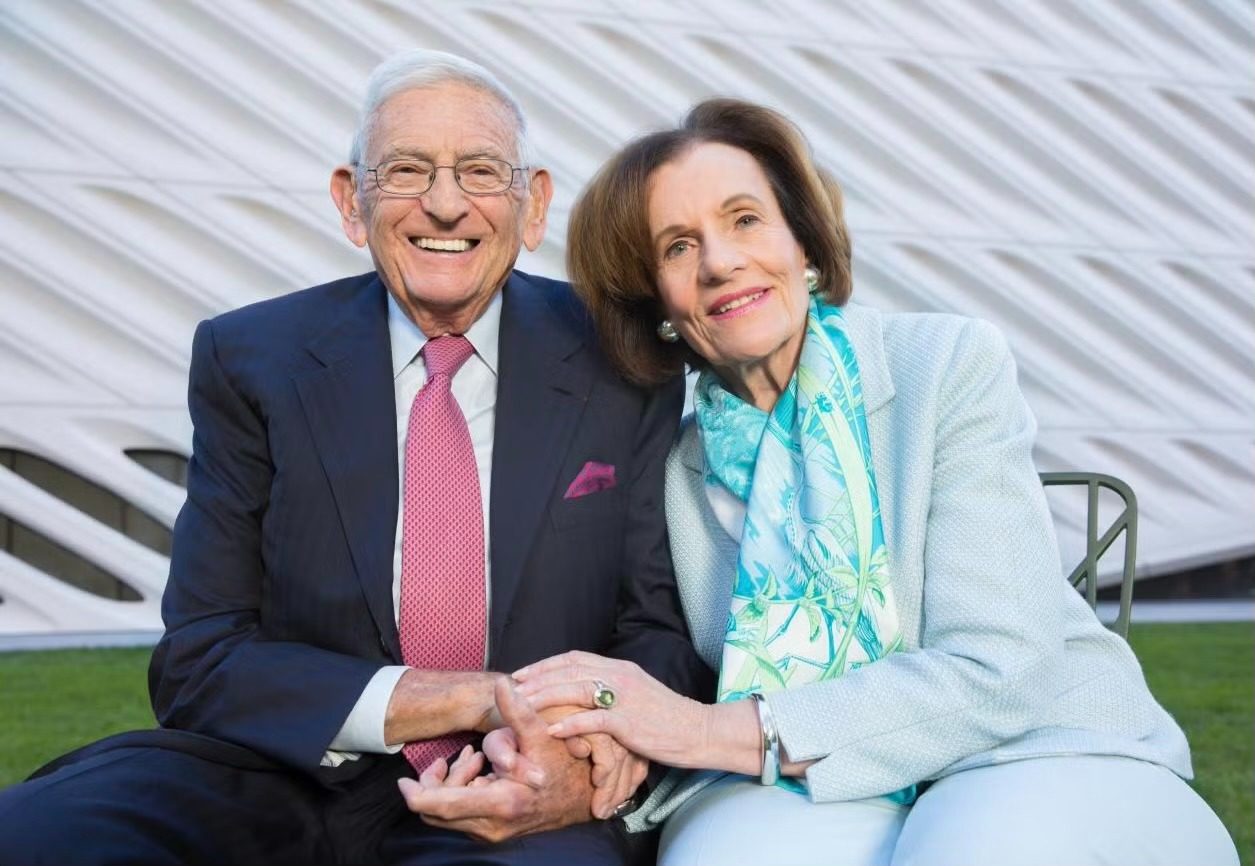
The Broads’ philanthropy also extended to stem cell research. They funded research centers at top California universities, including UCLA, UCSF, and USC, contributing over $113 million to these efforts. In 2001, the couple founded the Broad Medical Research Program, which supported studies on Crohn’s disease and ulcerative colitis; this program was later integrated into the Crohn’s & Colitis Foundation of America. They also supported Caltech and UCLA, notably by creating the Broad Center for the Biological Sciences and the Joint Center for Translational Medicine, which focuses on turning laboratory discoveries into clinical solutions.
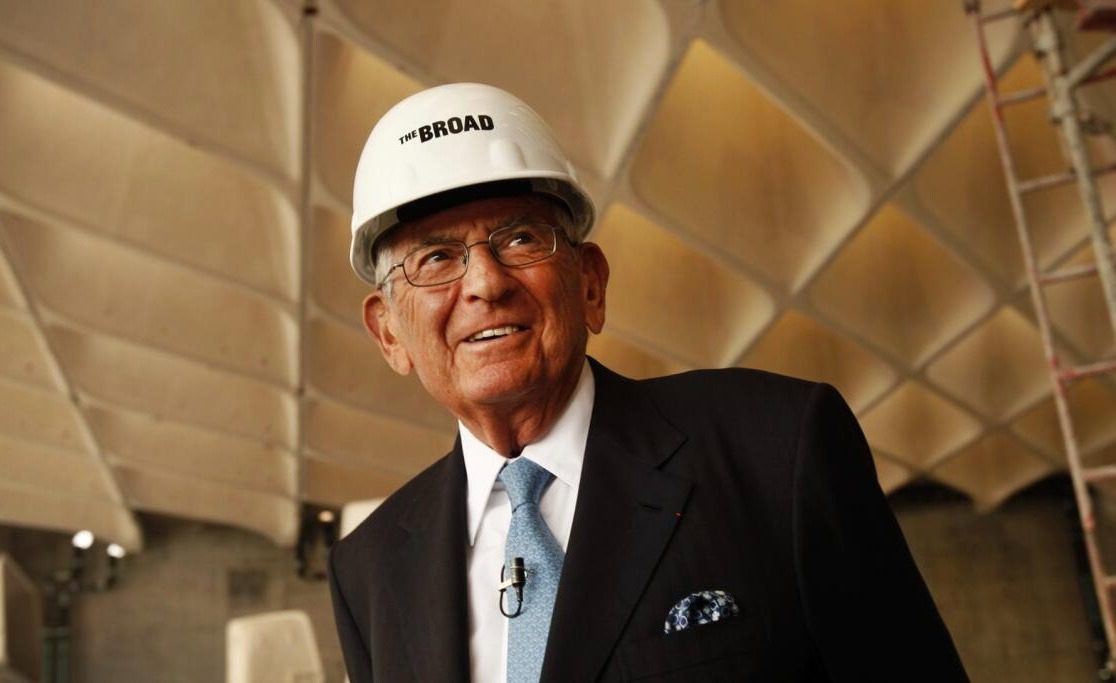
Another focal point for Broad was his support for the arts. He co-founded the Museum of Contemporary Art in Los Angeles and was an active patron of numerous cultural institutions. In 2015, The Broad museum opened, becoming a vital cultural centerpiece for the city. His contribution to LA’s cultural infrastructure also includes his involvement in the creation of the Walt Disney Concert Hall—an iconic piece of architecture designed by Frank Gehry.
Eli Broad held significant international and public roles. He served as a regent of the Smithsonian Institution, a trustee of the Museum of Modern Art in New York, and received the French Legion of Honor. His archives are housed at UCLA, and he served on the board of the Hammer Museum. The foundation estimates that the Broads’ total contribution to the development of Los Angeles through art and educational initiatives approaches $1 billion.
Eli Broad lived a long life, remaining active in business and charity until his final years. He passed away on April 30, 2021, in Los Angeles. His legacy is measured not just in financial achievements, but in his societal impact. He was one of those entrepreneurs who viewed business as an instrument for change.
He serves as an example of a new type of entrepreneur, one who bridges the gap between financial success and social responsibility. His career proves how strategic thinking and an openness to innovation can lay the groundwork for lasting