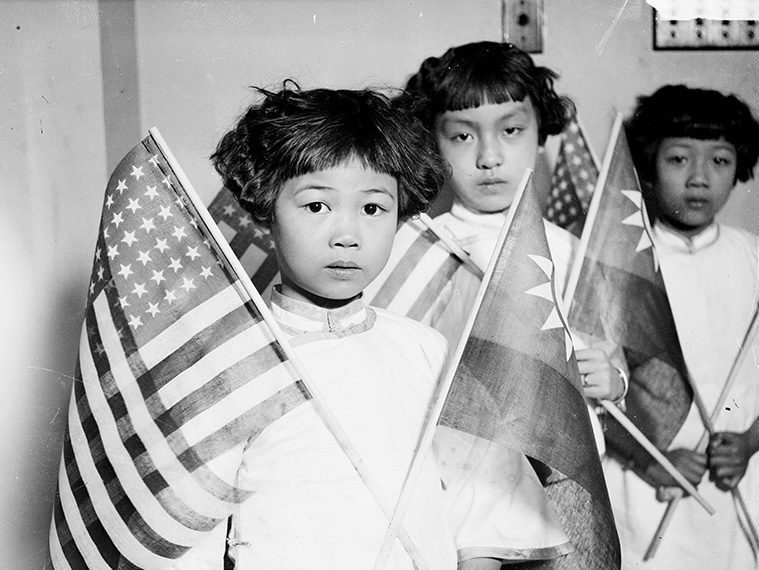
Los Angeles is one of the most multicultural cities in the U.S., home to a significant Asian American population. Their path to a quality education was difficult, marked by discrimination and social barriers but also by great success. The history of Japanese immigration and educational development in their community shares many similarities with the Chinese experience, yet there are crucial differences. So, how did they maintain their drive for knowledge against all odds? This article explores just that. Also, learn how multilingual students are supported in Los Angeles. More at losangeles1.one.
Historical Background
The first Asian immigrants, including Chinese, Japanese, Koreans, and Filipinos, began to settle in Los Angeles in large numbers during the second half of the 19th century. However, their children found it difficult to get an education due to political and racial restrictions. In the late 19th century, California often banned Asian children from attending the same schools as white children. They were forced to attend separate schools. In 1906, San Francisco introduced segregated schools for Japanese children. While the laws in Los Angeles were not as strict, racial discrimination was still widespread.
The Education of Chinese Americans
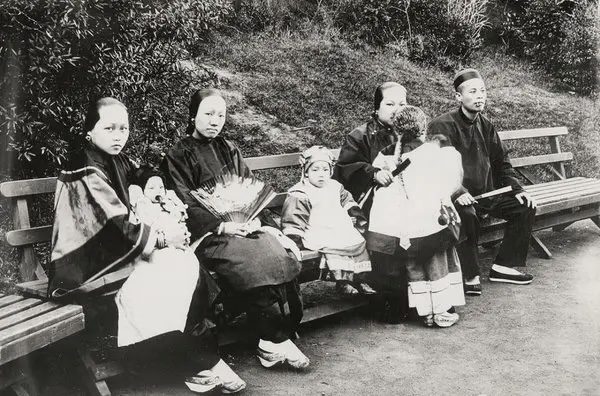
Before the 1848 California Gold Rush, very few Chinese people came to the United States because the Chinese government forbade emigration. Violating this imperial law was punishable by death. But over time, as the ruling Qing dynasty was weakened by internal armed conflicts, political struggles, and poor economic conditions, the situation began to change. A year after the Gold Rush began, word of it reached China. Chinese immigrants arriving in the U.S. often formed “Chinatowns.” As separate Chinese communities emerged, public school educators stressed the importance of providing schooling for the Chinese. Soon, churches began opening educational institutions in San Francisco’s Chinatown, where many immigrants lived. Congregationalists argued that discrimination in public schools was embittering Chinese and Chinese Americans. Eventually, a city court ruled that Chinese children had the right to a public education.
The Education of Japanese Americans
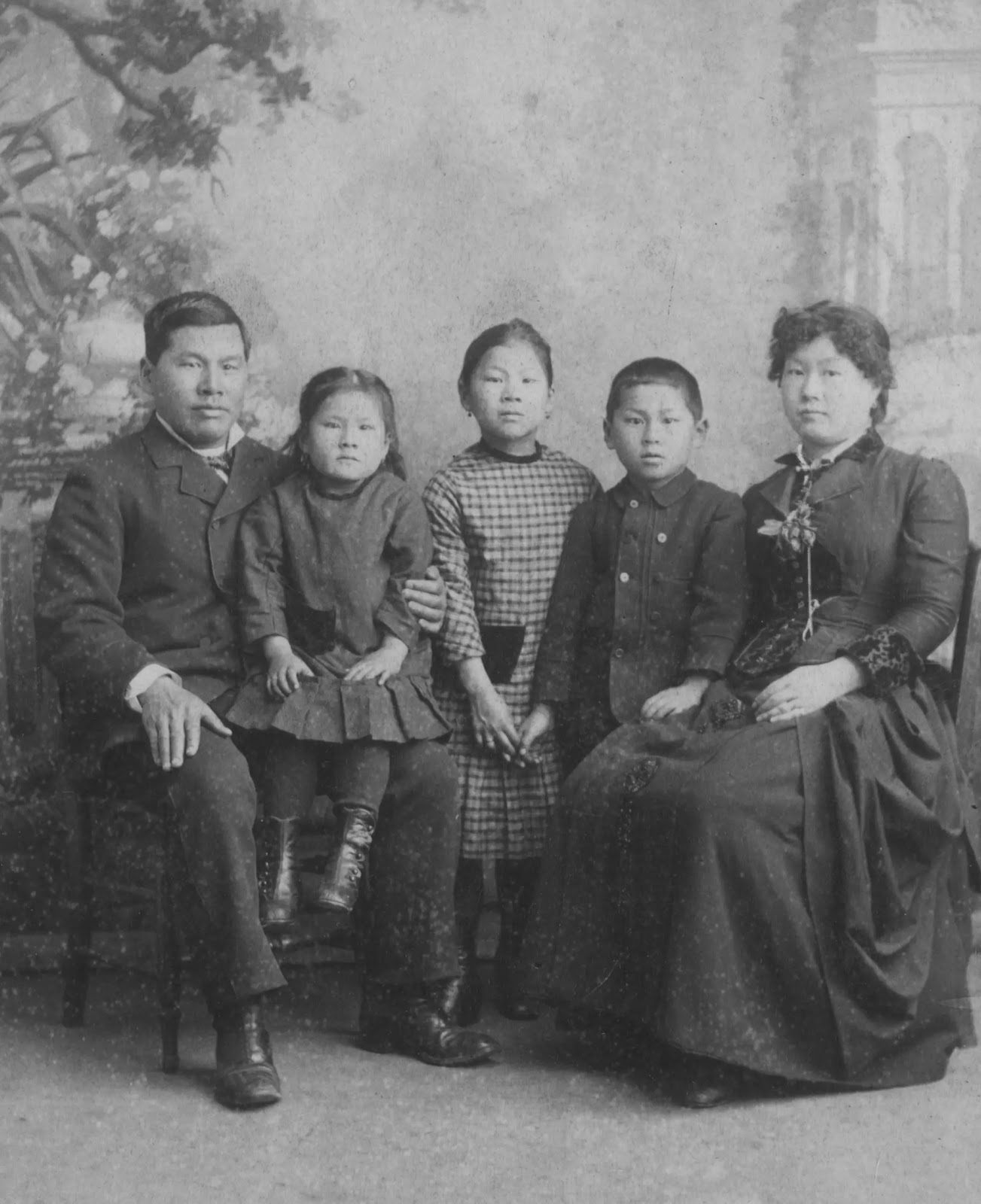
The history of Japanese Americans is similar in many ways to that of Chinese Americans, but there are some key differences. In Japan, like in China, emigration was banned for a long time. This was the case until Emperor Meiji came to power in 1868. However, even in the following decades, common laborers were forbidden from leaving for other countries until 1885. The United States government and commercial companies pressured Japan to open its borders and allow laborers to emigrate. Once this happened, the Japanese who came to America primarily settled in California.
Japanese Americans, supporting the policies of Emperor Meiji, were much more open to interacting with other ethnic groups than Chinese Americans were. Due to military conflicts in East Asia, tensions arose between Japanese and Chinese Americans. From 1894 to 1945, East Asia was an arena of large-scale, bloody military conflicts. The Sino-Japanese War, the Russo-Japanese War of 1905, the Japanese invasion and annexation of Korea in 1910, subsequent conflicts between China and Japan, and World War II all impacted education in the western United States. Relations between Japanese and Chinese Americans became so strained during this time that they even refused to attend the same schools. During the military actions of the late 1930s, both Japanese and Chinese Americans sent significant sums of money to support their home countries’ war efforts. The complex relationship between these two ethnic groups only reinforced their de facto self-isolation in many parts of California.
During World War II, Japanese Americans were forcibly incarcerated in internment camps, including many students from Los Angeles. Their education was interrupted, and after the war, many had to start their studies all over again. However, change began after the war. Japanese American veterans who had fought for the U.S. gained access to education, and civil rights organizations like the Japanese American Citizens League (JACL) began fighting for equal educational rights.
Chinese Americans generally lived in more concentrated areas than Japanese Americans, and San Francisco’s Chinatown covered a much larger area than “Little Tokyo” in Los Angeles. Additionally, Chinese Americans often refused to attend school with members of other ethnic minorities. Before WWII, Japanese Americans frequently attended school with white children and performed well academically. Unfortunately, because many Japanese Americans sent significant funds to aid the Japanese Imperial Army, the Roosevelt administration began to doubt their loyalty. As a result, they were all relocated to specially created concentration camps. But even while in these camps, Japanese Americans continued to educate their youth. After World War II, they socialized more actively with other children than students from other ethnic minorities.
The Fight for Equal Rights
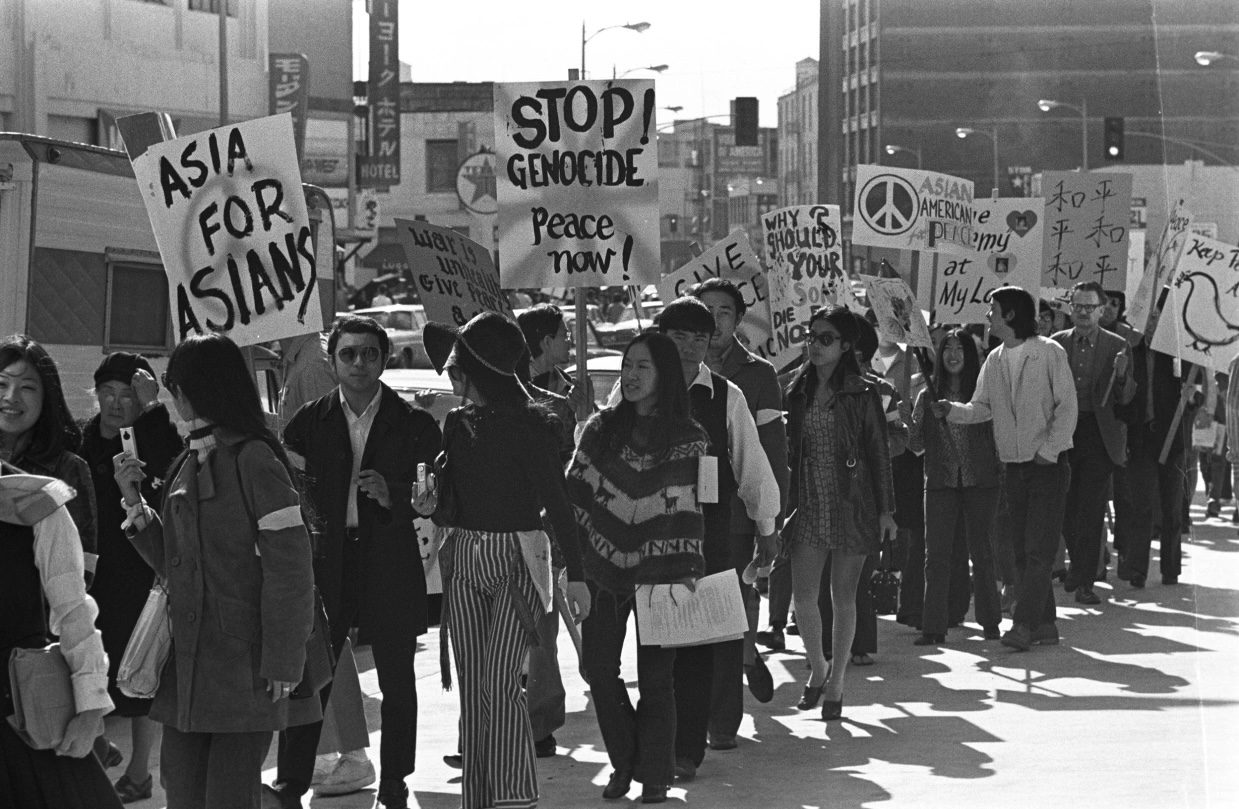
The Civil Rights Movement of the 1960s helped improve educational opportunities for Asian Americans. Following a U.S. Supreme Court decision, school segregation was officially banned, allowing Asian students to study alongside white students. From the 1970s to the 1980s, the number of Asian students at the University of California, Los Angeles (UCLA) and other universities grew significantly. In 1969, UCLA introduced the first Asian American Studies programs, allowing students to explore their own history and culture.
Asian Americans are, on the whole, financially successful. Their income is approximately 15% higher than the U.S. average. This success can be partly explained by the high value placed on education in Asian American families. In the 21st century, Asian Americans are one of the most educated ethnic groups in Los Angeles. In 2020, about 54% of Asian Americans in California held a bachelor’s degree or higher, which is significantly above the average for all ethnic groups. UCLA, USC, and other universities have a large percentage of students of Asian descent. Asian Americans have achieved success in fields such as medicine, engineering, law, and business.
The path to a quality education for Asian Americans in Los Angeles was not easy, but they managed to overcome discrimination and social barriers. In the 21st century, they hold leading positions in academia, science, and business, though they still face new challenges. Their experience is part of the broader American story of the fight for equality.