

The story of the AIDS Healthcare Foundation (AHF) is a powerful example of how a small group of activists, united by a common goal, managed to create one of the world’s most influential organizations providing medical care to people living with HIV/AIDS. AHF started its journey in Los Angeles in the late 1980s. This was a time when the AIDS epidemic was rapidly claiming lives, and society often reacted with fear and intense stigma. Through sheer determination, protests, medical initiatives, and innovative treatment approaches, the organization transformed into a global player with clinics in dozens of countries. Read more at losangeles1.one.
Establishing the Chris Brownlie Hospice
In the 1980s, Los Angeles became an epicenter of the AIDS epidemic, which disproportionately affected gay and bisexual men. Community activists like Chris Brownlie, Michael Weinstein, Minna Meyer, Sharon Raphael, and others pioneered the movement to open specialized hospices for people dying of AIDS. In 1987, the Los Angeles AIDS Hospice Committee was formed, laying the groundwork for what would become the AIDS Hospice Foundation.
The committee organized high-impact protests, including a picket line outside the home of Supervisor Mike Antonovich, to pressure officials into opening the first hospice. Following an emotional appeal to the Los Angeles County AIDS Commission, they successfully secured $2 million in funding.
On December 26, 1988, the Chris Brownlie Hospice opened its doors — a 25-bed facility in a former nurses’ dormitory at Barlow Respiratory Hospital. This was a true breakthrough: it was the first place to provide 24/7 care and palliative support for individuals in the terminal stages of AIDS. Before closing in 1996, the hospice provided dignified care to over a thousand patients. The legacy of Chris Brownlie, who passed away in 1989 from AIDS-related complications, lives on in the facility’s name and in the history of the movement for the rights of HIV-positive people.

Growth and the Expansion of AHF’s Mission
With the advent of effective antiretroviral drugs in the early 1990s, AHF shifted its focus from palliative care to medical treatment. In 1990, the organization adopted its current name: the AIDS Healthcare Foundation.
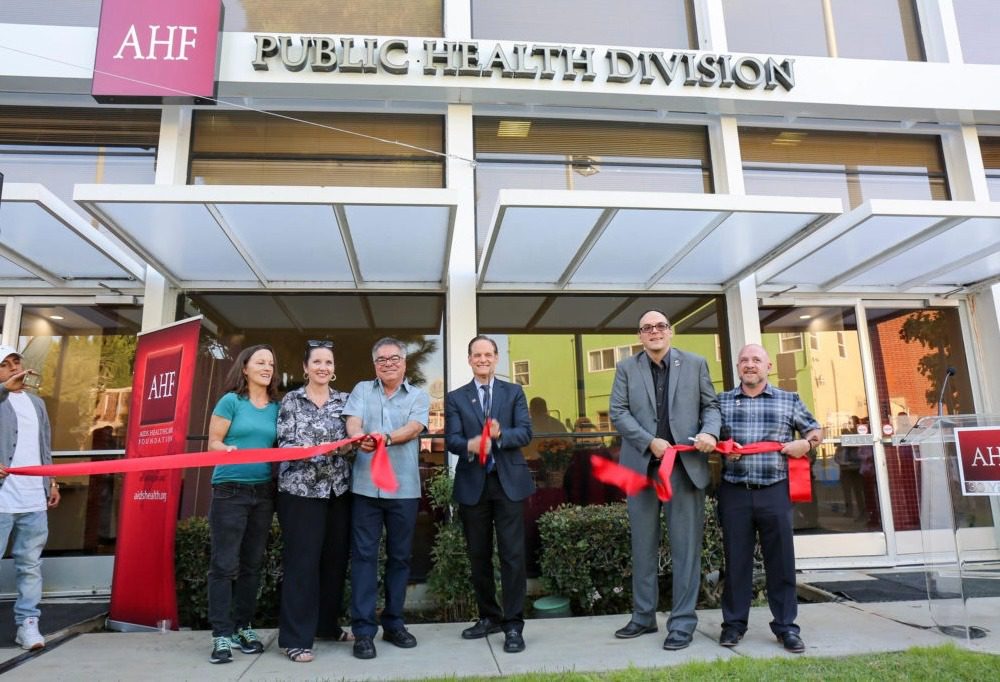
The following years brought rapid expansion. In 1991, the Richard Polanco HIV Clinic opened, a facility where patients without private insurance could receive essential treatment. The year 2000 saw the launch of the first AHF Pharmacy, a crucial step that ensured the organization’s financial stability, as a portion of the revenue from government insurance programs was channeled back to fund free treatment.
Since 1990, the “Out of the Closet” thrift stores have been a stable source of funding for AHF programs: 96 cents of every dollar goes directly to support testing, treatment, and housing initiatives. In 1997, the thrift stores started offering free and anonymous HIV testing—an innovation that dramatically increased access to diagnostics.
The organization became a regular participant in the Rose Parade—the large annual parades in Pasadena—with themed floats dedicated to HIV/AIDS awareness, human rights, and social issues. In 2014, AHF made history by hosting the parade’s first-ever same-sex wedding directly on its float.
Programs Across 45 Countries
In the early 2000s, AHF launched its Global Immunity program, aimed at ensuring access to treatment and necessary medications for people worldwide. The organization’s first international clinic in Africa opened in 2001 in Umlazi, South Africa.
The following year, the Uganda Cares project was launched in Uganda. By 2022, it had served over 112,000 patients and provided HIV testing to more than seven million people. In Asia, a major milestone was the 2006 opening of a Center of Excellence in New Delhi, which became the region’s first facility to provide free ART (Antiretroviral Therapy).
In Latin America, AHF partnered with the Pan American Health Organization in 2023 to combat HIV, viral hepatitis, tuberculosis, and sexually transmitted infections. These initiatives have transformed AHF into the world’s largest HIV/AIDS organization, one that not only treats patients but also influences global health policy.
Recognizing the strong link between homelessness and health, AHF created a separate division, the Healthy Housing Foundation (HHF), dedicated to providing affordable housing for vulnerable populations. The organization converts old hotels into residential complexes using an adaptive reuse model, renting rooms at rates significantly lower than government programs, typically between $400-$600 per month. Additionally, HHF actively campaigns against excessive “luxury” development and advocates for rent control. By 2023, AHF had acquired over 15 properties in Los Angeles, including the historic Morrison Hotel, famous for its association with the band “The Doors.”
Fighting for Affordable Medicine
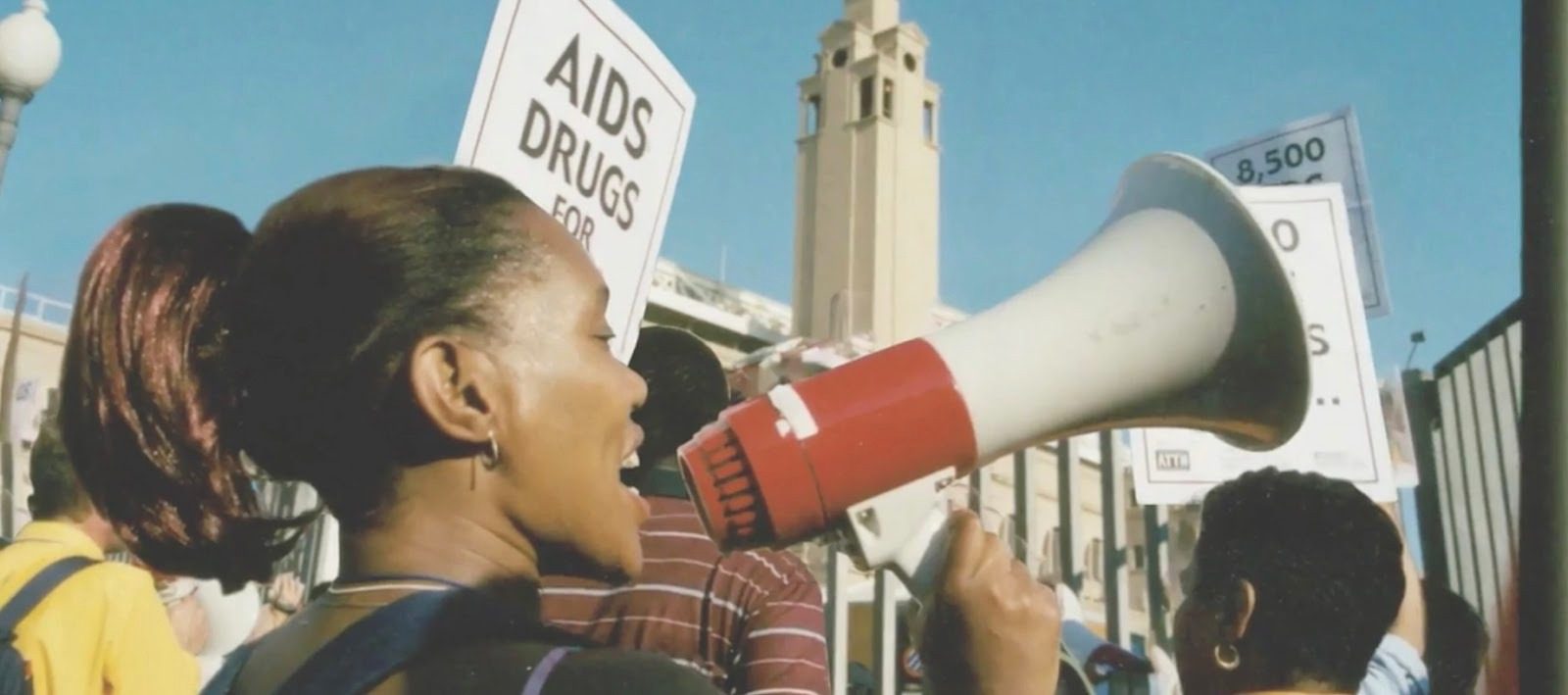
AHF is not limited to medical care; it is also a vocal advocate for lowering the cost of HIV/AIDS medications. The organization has initiated numerous lawsuits against major pharmaceutical companies, including Pfizer, GSK, and Cipla, and runs campaigns demanding price reductions. AHF supports legislative initiatives for drug price control and even fought for the regulation of condom use in the adult film industry, which generated significant public debate.
The organization hosts hundreds of events globally, blending entertainment and educational initiatives. For World AIDS Day, AHF organizes concerts featuring acclaimed artists such as Janet Jackson, Patti LaBelle, and Gladys Knight. A strong emphasis is placed on education: campaigns like International Condom Day inform the public about safe sex, while national “We The People” actions support the rights of women, LGBTQ+, immigrants, and other vulnerable groups. The documentary “Keep The Promise” became one of the most cited projects dedicated to the fight against AIDS in the 2010s.
The AIDS Healthcare Foundation (AHF) continues to be one of the world’s largest organizations providing medical care to people living with HIV/AIDS. As of September 2025, the organization provides care to over 2.5 million patients across 49 countries worldwide. This massive network is made possible through hundreds of clinics, pharmacies, and wellness centers operating under the AHF umbrella, as well as social initiatives aimed at improving patients’ living conditions. Over 70% of new clients across all AHF bureaus began antiretroviral therapy within two weeks of diagnosis. In Africa and Europe, this rate reached 98% of patients within the first month post-diagnosis. Thanks to this extensive infrastructure, AHF not only ensures treatment and testing but also actively influences health policy formation, educational campaigns, and social initiatives that reach millions of people globally.

The AIDS Healthcare Foundation is more than a medical organization. It is a movement that has shaped a culture of support for people living with HIV/AIDS, revolutionized the approach to accessing treatment, and influenced global public health policy. From the first hospice for terminally ill patients to a network of clinics in 45 countries, AHF’s journey demonstrates that persistence, solidarity, and humanity have the power to change the course of history.