

Airports are much more than just places where planes take off and land. They are powerful economic engines that drive regional development, create jobs, and support global trade and tourism flows. Los Angeles International Airport (LAX) stands as a prime example of such a massive and complex infrastructure hub. Each year, it serves millions of passengers, processes cargo, and manages hundreds of thousands of flights, making a significant contribution to the city’s and the nation’s economy. Read more at losangeles1.one.
A Dynamic History
Los Angeles Airport (LAX) boasts a rich and dynamic history that dates back to the post-war era, reflecting the evolution of aviation, architecture, and infrastructure. It all began on October 1, 1928, with a small airfield known as Mines Field, after the City of Los Angeles leased 650 acres of land. The first hangar was built the very next year. During World War II, the federal government took control, and the airport served as a military staging ground, hosting the Army Air Corps’ aircraft and personnel. Following the war, a period of massive development began: several passenger terminals were opened on the north side of the airfield by 1946, and by the end of the 1940s, it earned international status—officially becoming the Los Angeles International Airport (LAX) in 1949.
The 1970s saw LAX adapt to the wide-body jet era, introducing terminals designed to accommodate “sky giants” like the Boeing 747 and the DC-10. Major transformations occurred in the early 1980s, particularly in preparation for the 1984 Los Angeles Olympic Games. This period brought the construction of the new Tom Bradley International Terminal, improvements to the roadway system, the addition of concourses, multi-level access roads, and expanded parking facilities.
In the 1990s, the airport experienced another boom: the surge in cargo volume and passenger traffic prompted officials to develop a Master Plan for modernization, which was approved in 2005.
According to Los Angeles World Airports (LAWA), LAX served over 48 million passengers in 2021. This rebound helped LAX regain its status as one of the world’s busiest airports—ranking fifth globally by passenger traffic that year. By the end of 2022, estimates suggest that approximately 60 million passengers traveled through LAX.
The LAWA (Los Angeles World Airports) administration itself employs about 3,500 people responsible for management, technical operations, security, and administrative functions. However, LAX’s overall employment impact is far broader: an economic study indicates that the airport is directly linked to the creation of approximately 59,000 jobs in related activities (airlines, ground services, retail, logistics, etc.).
An Economic Powerhouse
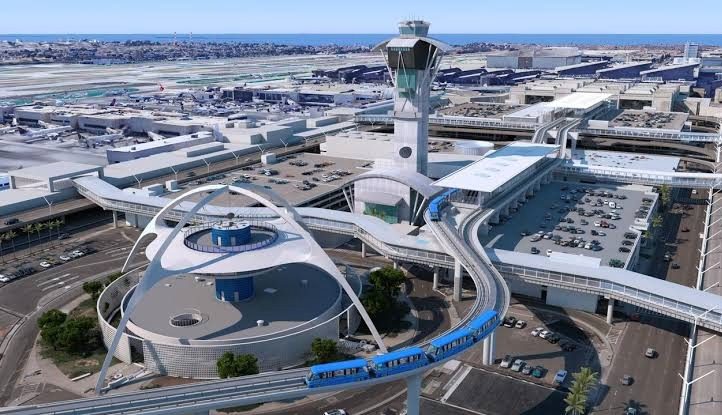
International airports function as true “economic engines” for their region and the country. The Los Angeles Economic Development Corporation estimates that every international flight arriving at LAX generates up to $623 million in economic activity, including personnel employment, commercial and operational processes, and passenger and cargo services. In 2012, LAX handled over 88,000 international flights, with the economic impact from those flights alone exceeding $27 billion annually.
LAX is a public commercial property, operating on revenue generated from terminal leases, aircraft landing fees, concession and parking commissions, and Passenger Facility Charges (PFC) added to air tickets. Capital projects are funded through municipal bonds and grants from the Federal Aviation Administration (FAA). Federal regulations strictly limit the use of airport revenue exclusively to its operations and development.
How the Airport Operates
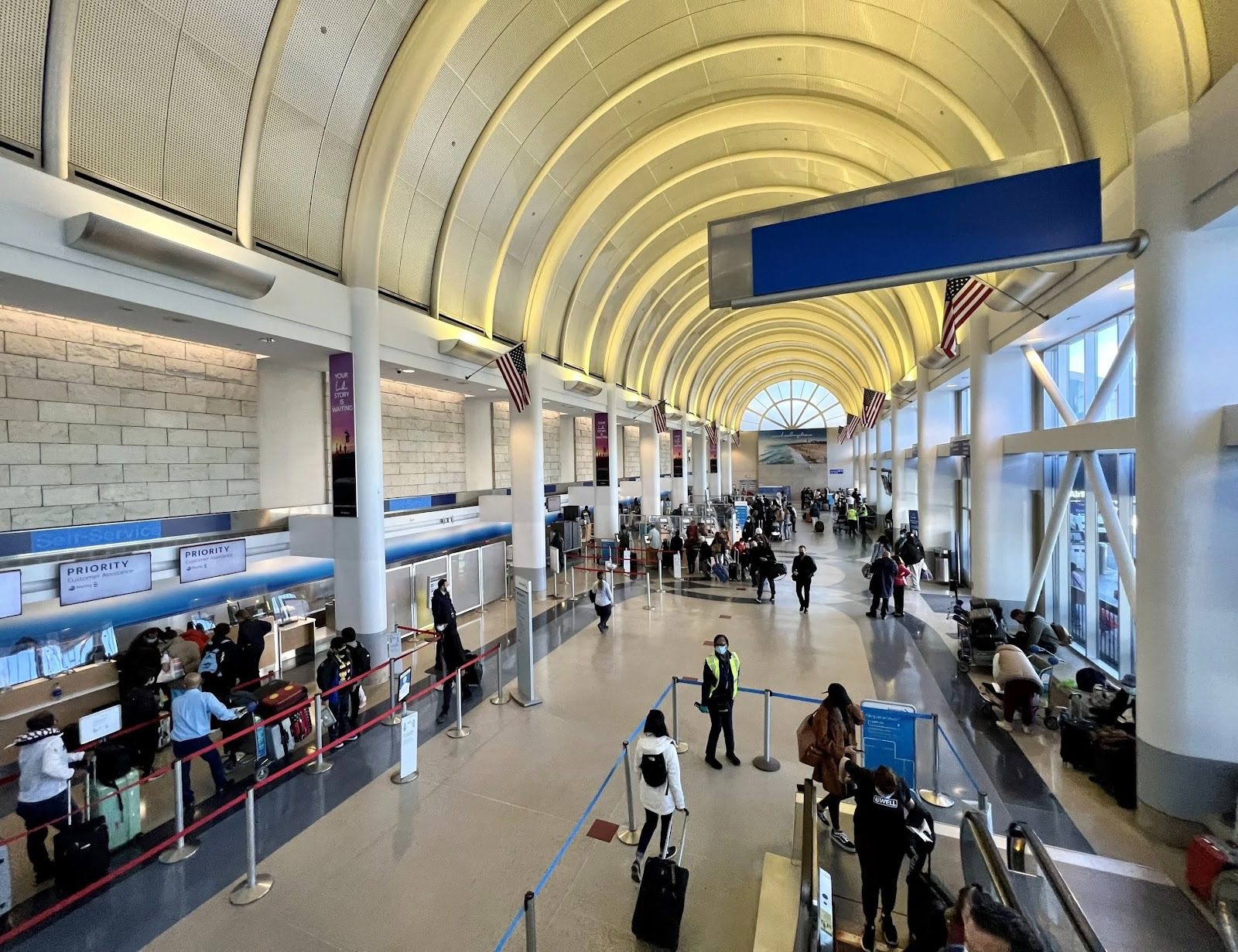
LAX is owned by Los Angeles World Airports (LAWA)—a department of the City of Los Angeles, which also manages Ontario International Airport (ONT) and Van Nuys Airport (VNY), and holds land in Palmdale where a small regional airport once operated.
The airport functions like a small city, serving various user groups: passengers, airlines, cargo carriers, and private pilots. LAX ranks among the top three busiest airports in the world and the US. To remain competitive, the airport must provide passenger gates and jet bridges, runways, aircraft fueling systems, airline and cargo terminals, ground transportation access, and safe operating conditions.
Infrastructure and Services
Los Angeles Airport (LAX) is one of the world’s largest and busiest aviation hubs, providing comprehensive services for passengers, cargo, and commercial airlines. Key elements of its infrastructure include passenger gates and jet bridges, which allow planes to board and deplane passengers efficiently. Beyond that, aircraft are serviced based on airline needs, including cleaning, refueling, baggage handling, and other essential services.
LAX’s runways and taxiways are laid out to effectively handle high passenger traffic and heavy aircraft, including the Airbus A380 and the Boeing 747-800. Special procedures and coordination with the Federal Aviation Administration (FAA) ensure their safe operation. Aircraft fueling is done via underground systems that transport fuel from the LAX Fuel Farm to the terminals. Hydrants ensure quick aircraft refueling, and the revenue generated from this process is a vital source of airport funding.
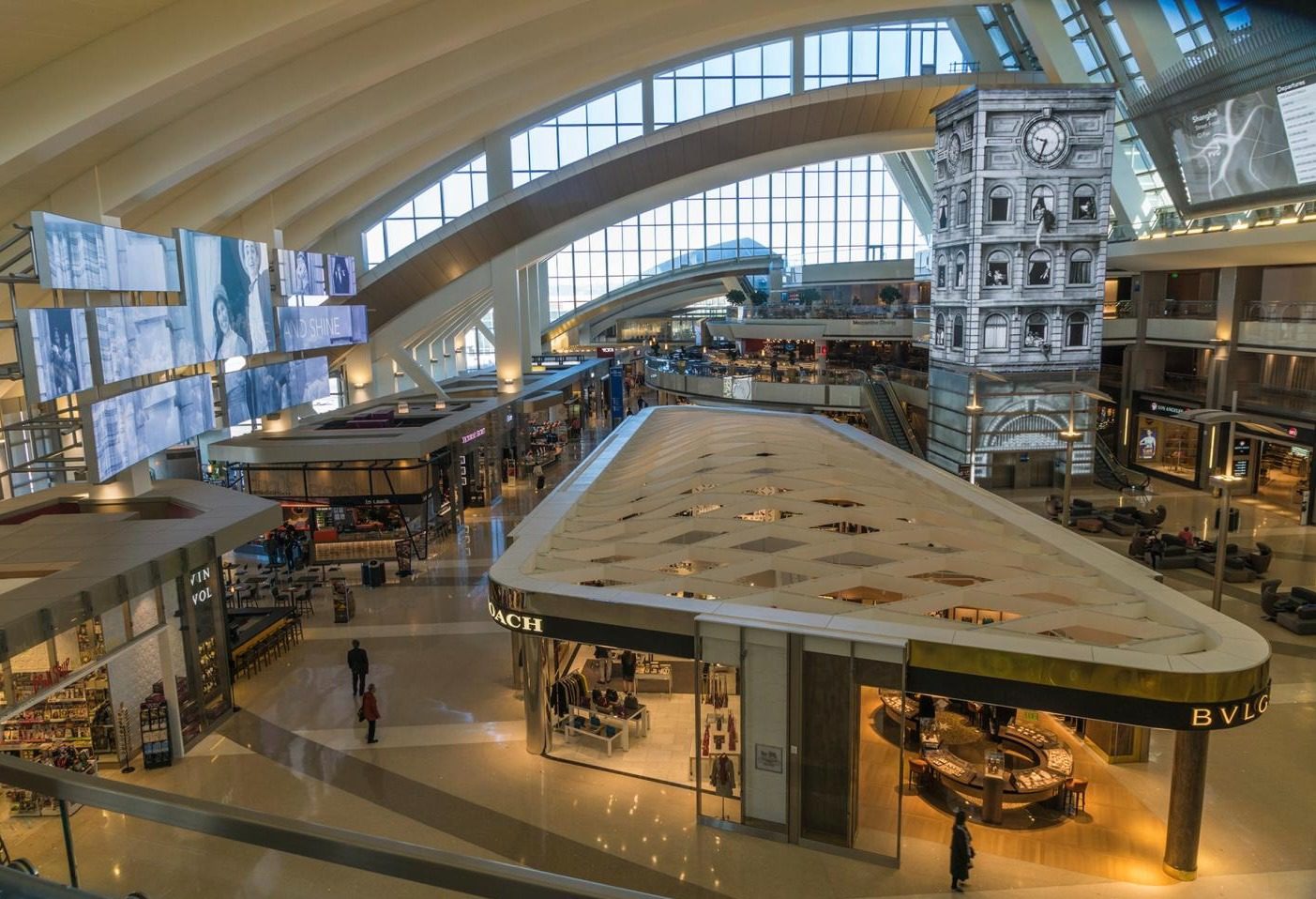
LAX terminals handle passenger, cargo, and technical operations. Passenger terminals feature ticketing areas, baggage systems, security zones, lounges, shops, and restaurants. Cargo complexes process millions of tons of commercial freight annually, ensuring efficient logistics for businesses.
Access to the airport is organized through a vast system of roads and freeways, including the I-105 and I-405. Numerous parking lots, pick-up/drop-off areas, and rental car companies with shuttles are available for passengers. The airport is also served by hotel and city shuttles.
Safety and maintenance are top priorities for LAX. The airport maintains its own police, fire, and medical services, working closely with the LAPD, LAFD, and federal agencies. Security is enforced by airport staff, the TSA, FBI, DEA, and Customs and Border Protection. Daily maintenance includes regular runway inspections, cleaning, remarking pavement, and keeping terminals and passenger service areas clean, all to guarantee the comfort and safety of everyone using the airport.
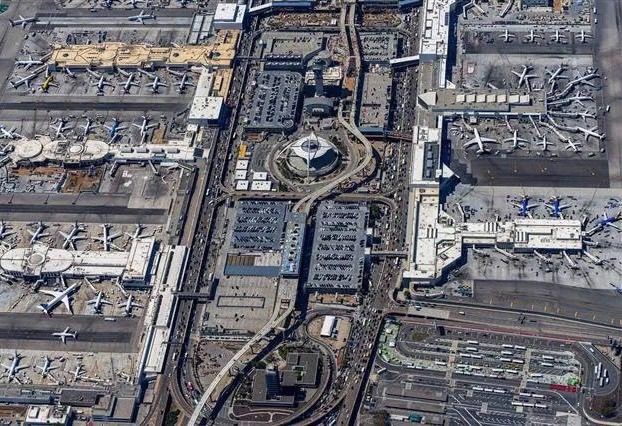
LAX is an example of how a modern international airport blends economic influence, engineering excellence, and comprehensive organization for passenger and cargo services. Through effective management, planning, and infrastructure modernization, the airport remains one of the world’s leading transportation hubs, ensuring safe, comfortable, and efficient air travel nationally and internationally.