

It’s not just a publication. It’s the daily chronicle of life for the residents of the San Fernando Valley, one of Los Angeles’s most dynamic regions. Headquartered in Chatsworth, the newspaper focuses on local topics—business, education, public safety, and social issues. More at losangeles1.one.
Founding the Newspaper
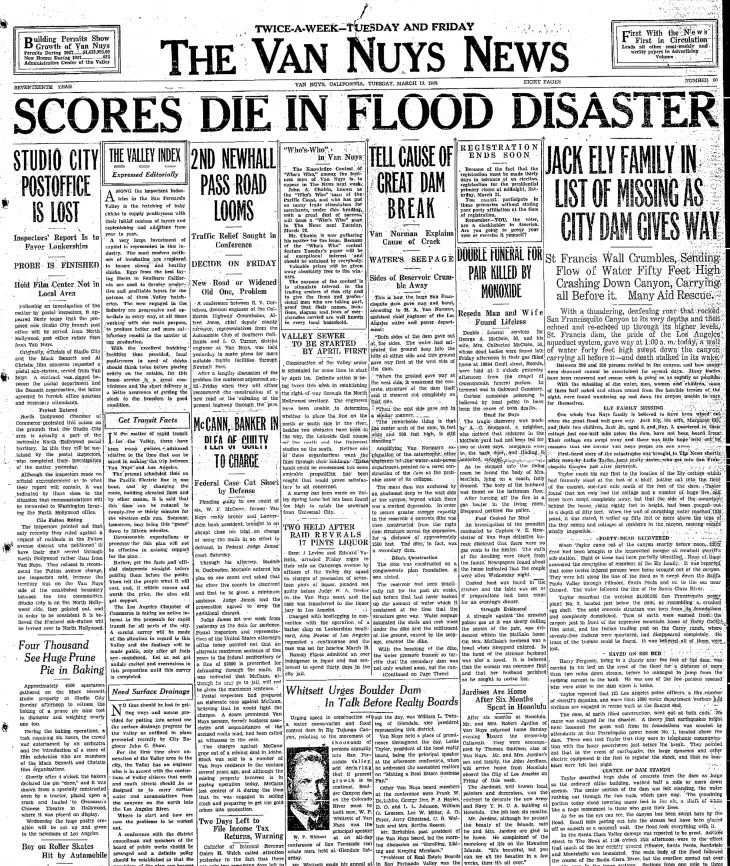
The newspaper’s history begins in 1911, when the first issue of the Van Nuys Call was published in the town of Van Nuys. Later, after merging with a competitor called The News, the publication was renamed the Van Nuys News. The paper became the primary source of information for the residents of the young Los Angeles suburb.
In 1953, the paper was renamed the Van Nuys News and Valley Green Sheet—because its front page was printed on green paper. The publication was delivered free of charge to readers four times a week. It had 14 local editions, each targeting different neighborhoods in the San Fernando Valley. During this period, the newspaper became a vital element of local culture, combining news, small business advertising, and stories about community life.
Early Transformations
In 1971, the newspaper was sold to the Tribune Company. Wanting to move beyond its association with the Van Nuys area, the publication was renamed the Valley News and Green Sheet in 1976. The paper gradually shifted from free distribution to a paid subscription model and began publishing daily. This decision paid off—circulation reached 210,000, a significant achievement for a local publication.
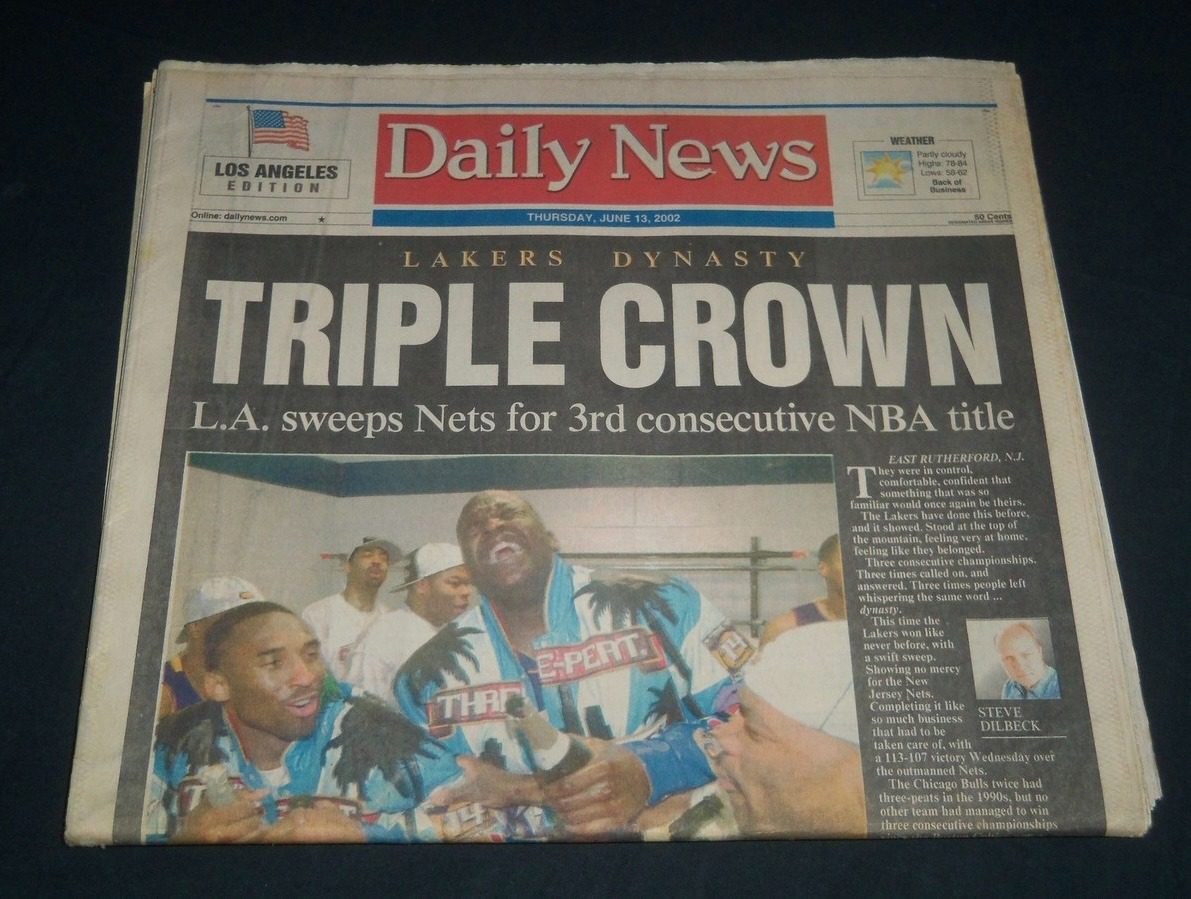
The year 1981 was a turning point: the paper changed its name to the Daily News of Los Angeles and officially became a daily city publication. In 1985, after the Tribune Company acquired television station KTLA, it was forced to sell the newspaper due to antitrust restrictions. Its new owner was businessman and sports team owner Jack Kent Cooke, who invested millions in creating a modern office and expanding the editorial staff. Cooke aimed to turn the Daily News into a primary competitor to the Los Angeles Times. The paper began covering not just local events, but also city-wide issues, regional politics, crime, and business development across all of Los Angeles. After the Los Angeles Herald Examiner closed in 1989, the Daily News became the city’s second-largest newspaper.
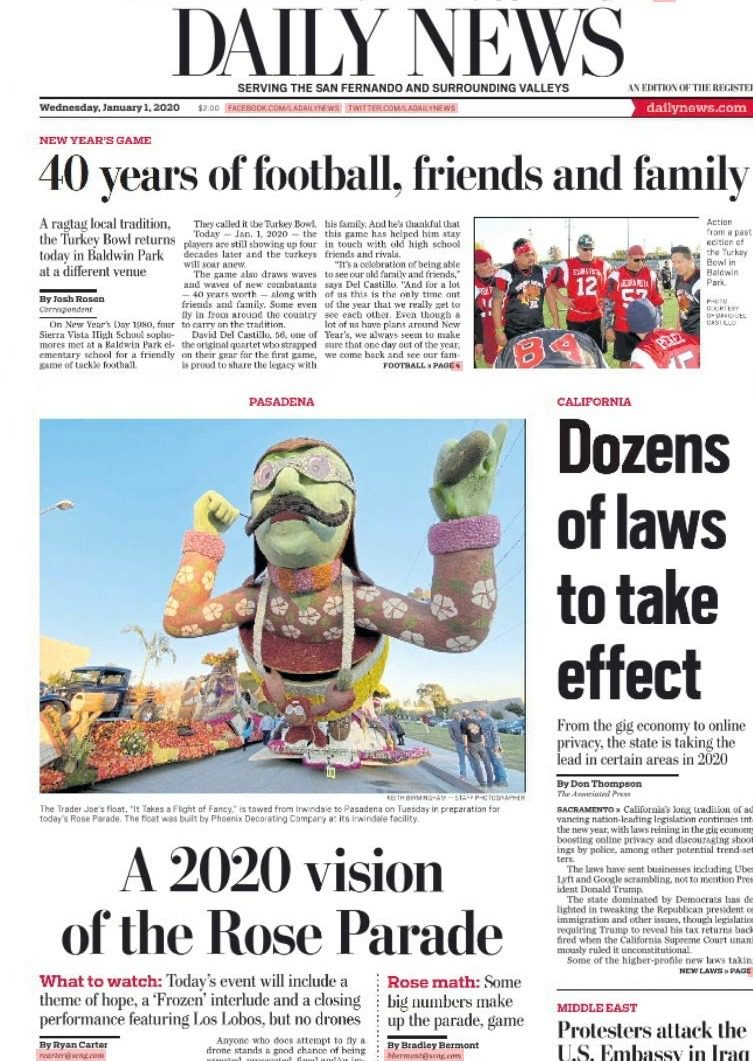
Unlike major city publications, the Daily News bets on local content. Its materials focus on the lives of San Fernando Valley residents—addressing issues in education, safety, business, housing policy, cultural events, and community initiatives. The newspaper’s office is located in Chatsworth, a neighborhood in Los Angeles. The publication is part of the Southern California News Group, which is owned by the media company Digital First Media. This positioning brings the newspaper closer to its audience: its journalists cover problems not in the abstract, but through the specific stories of residents, schools, businesses, or community organizations. Although the Los Angeles Daily News is smaller in scale than giants like the Los Angeles Times, its influence is hard to overstate. This publication often becomes the source of local reports that larger national media rely on. The newspaper is an important platform for public discourse, allowing suburban residents to express their views on local politics, transportation, infrastructure, or the environment. At a time when many print publications are reducing their regional presence, the Daily News continues to maintain its local focus, giving it special importance in Southern California’s media landscape.
The Digital Era
Following Jack Kent Cooke’s death in 1997, the publication was acquired by media magnate William Dean Singleton, founder of MediaNews Group. The newspaper became part of the Los Angeles Newspaper Group, which also included other Southern California regional publications. During this period, the editorial team experimented with local editions for Antelope Valley, Santa Clarita, and Ventura County.
However, these specialized versions were eventually closed to cut costs and focus on a single, central edition. All regional newspapers under the Southern California News Group came to be treated as separate editorial versions of the Daily News. The paper actively transitioned online, launching its own website and social media pages, which allowed it to remain relevant in the age of digital transformation.
Journalistic Principles
The Los Angeles Daily News has always been distinguished by its independent stance in political coverage. In 2008, the publication endorsed Barack Obama in the presidential election, but in 2012, it shifted its position and gave preference to his opponent, Mitt Romney. This example demonstrates the flexibility of its editorial policy, reflecting a pluralism of opinions and a commitment to objectivity.
In its more than one hundred years of existence, the Los Angeles Daily News has transformed from a small neighborhood paper into a significant media resource that shapes public opinion in Los Angeles. It has weathered changes in ownership, technological revolutions, and economic challenges, but has preserved its core principle—a loyalty to its mission of telling the stories of the people who make up the life of the city. At a time when large media outlets focus on global topics, the Daily News remains a symbol of local journalism: attentive, honest, and close to the reader.