

“The New York Times” once called her “the voice of Hispanic America.” Her professional journey spans over three decades in television, featuring interviews with heads of state, rebel leaders, dictators, and US presidents from Jimmy Carter to the present day. Salinas became a symbol of quality journalism for millions of viewers, and her career transformed the landscape of Spanish-language media in the United States. What made her a historical figure, and why is she so beloved by audiences? Find out more on losangeles1.one.
Biography
María Salinas was born on December 30, 1954, in Los Angeles to Mexican immigrant parents who had moved to the US in the 1940s. She spent part of her childhood in Mexico before returning to California, where she later launched her journalism career.
In 1981, she joined KMEX-TV, the Univision affiliate in Los Angeles, where she worked as a reporter, anchor, and program host. It was there that she produced her first reports, which brought attention to the social issues facing the Latino community.
Salinas is a mother of two daughters and has lived in Miami since 1991. She is the author of the autobiography “I Am My Father’s Daughter: Living a Life Without Secrets,” published in 2006. In the book, she shares not only her professional path in journalism but also the personal experiences that shaped her as an individual and a professional. The book contributed to a better understanding of the lives of Latino immigrants in the US and the challenges women face in the media industry. The autobiography details Salinas’s childhood, spent partly in Mexico and partly in Los Angeles. She speaks candidly about her family relationships, including the complex history of her father, a Catholic priest, and her upbringing in a bicultural environment. Salinas pays particular attention to the themes of personal courage and professional ethics, describing the challenges journalists face when covering dangerous events or working in conflict zones. The book became an important source of inspiration for young journalists, especially for Latina women aspiring to a career in media.

Professional Career
In 1987, Salinas became co-anchor of “Noticiero Univision”—Univision’s flagship evening news broadcast, airing across the United States. Her work at the network spanned decades and established her as one of the most influential journalists in American Spanish-language broadcasting.
Throughout her career, she interviewed US Presidents Bill Clinton and Barack Obama, Panamanian dictator Manuel Noriega, Nicaraguan President Daniel Ortega, and EZLN spokesperson Subcomandante Marcos. Salinas has also interviewed numerous global celebrities, including Jennifer Lopez, Ricky Martin, and Gloria Estefan. These interviews are significant because Salinas spoke with those in or near power within the context of conflicts, social tensions, and critical historical transformations. Salinas is known for grounding her interviews in serious analytical preparation—she researches the interviewee’s history, geopolitical context, conflicts, and ideologies. In conversations with dictators or rebels, she aims to expose not only moral challenges but also political realities—seeking understanding, not just sensation. Salinas set high standards: the quality of interviews with state-level political leaders required not just questions, but deep knowledge, research, and moral courage. Her communication with leaders directly influenced the political education and mobilization of the Latino community, which is particularly vital during election cycles. One of the defining characteristics of her style is her willingness to work where other journalists might shy away due to danger. She was one of the first female journalists to report from Baghdad during combat operations.
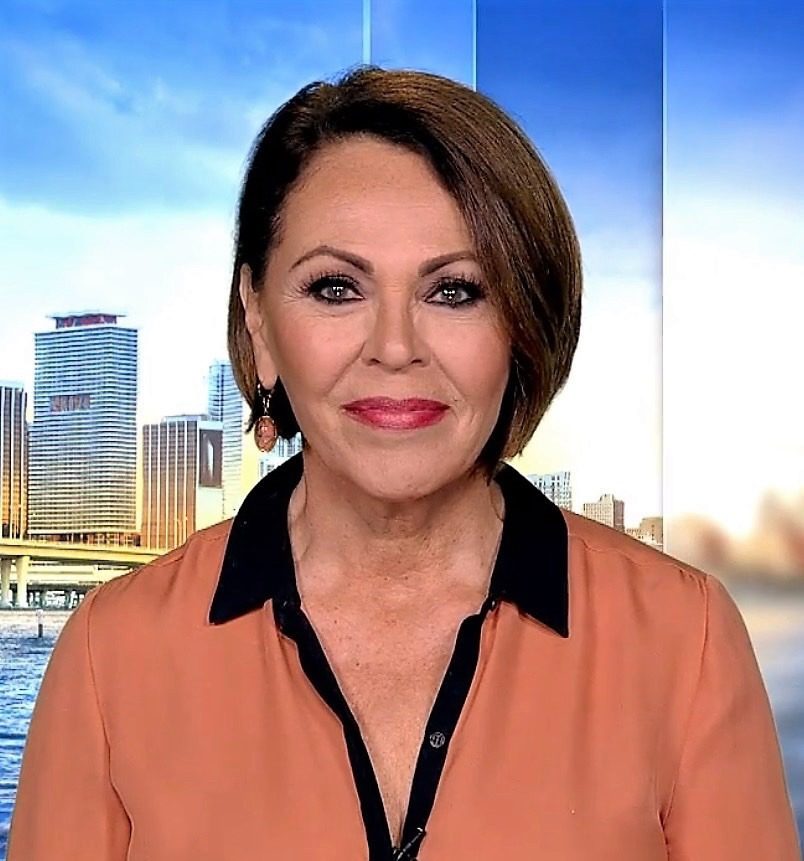
Involvement in National Political Events
Salinas played a prominent role in covering US elections. In 2004 and 2007, she participated in bilingual national debates for Democratic candidates and co-hosted the first-ever Spanish-language debates for candidates from both major parties on Univision. Between 2001 and 2011, Salinas wrote a weekly syndicated column in both English and Spanish, analyzing political processes and social trends.
In 2017, Univision announced that María Salinas was stepping down from “Noticiero Univision.” She stated that she intended to become an independent journalist and producer. From 2017 to 2018, she hosted the English-language documentary series “The Real Story with María Elena Salinas” on Investigation Discovery, focusing on high-profile criminal cases. In 2018, she helped cover the Mexican presidential elections for Telemundo. In 2019, she joined CBS News as a special correspondent, and three years later, she became a contributor and analyst for ABC News.
Community and Advocacy Work
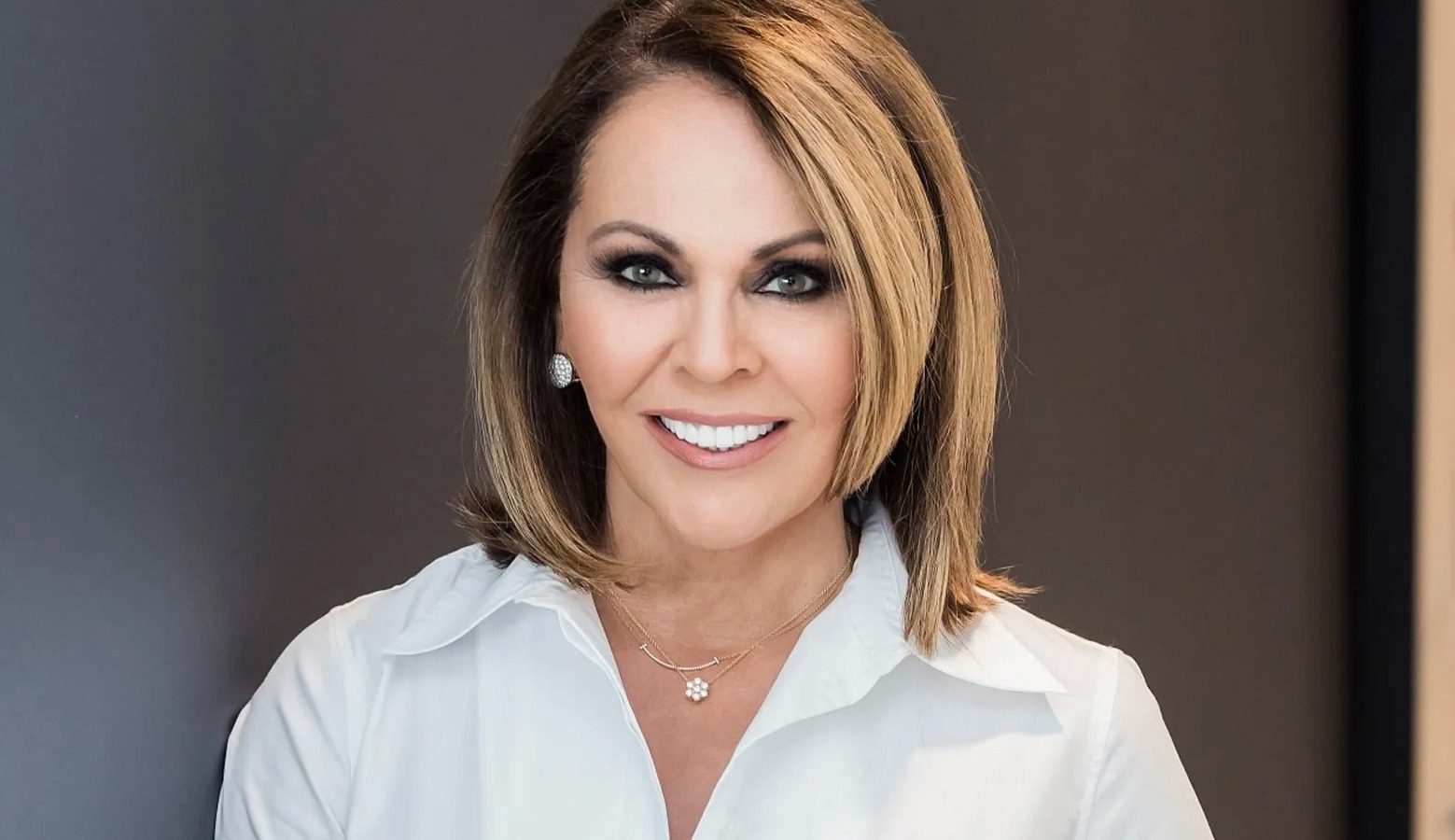
María Elena Salinas is highly active in community work. For nearly 20 years, she has collaborated with the National Association of Latino Elected and Appointed Officials (NALEO), which promotes voter engagement among immigrants. She is the face of the Ya Es Hora campaign—one of the largest initiatives dedicated to encouraging Latino civic participation.
Salinas co-founded the National Association of Hispanic Journalists (NAHJ). In 2006, she was inducted into the NAHJ Hall of Fame. She also established a scholarship in her name for students pursuing careers in Spanish-language news and serves on the boards of the Hispanic Scholarship Fund and the International Women’s Media Foundation.
María Elena Salinas is the recipient of numerous journalistic awards, including:
- Peabody Award (2014);
- Walter Cronkite Award;
- Gracie Award for the documentary “Entre el abandono y el rechazo” (Between Abandonment and Rejection);
- Broadcast Legend Award (2014);
- Edward R. Murrow Award for her coverage of the Atlanta Olympic Games bombing (1996).
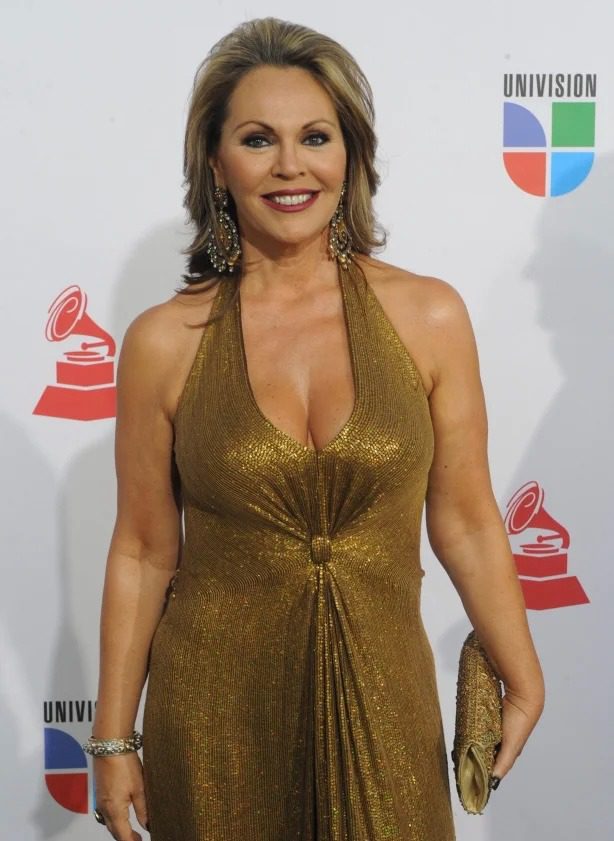
Salinas also became the first Latina to receive a Lifetime Achievement Emmy Award (2012), and in 2014, she was honored with the Broadcast Legend Award from the Radio and Television News Association of Southern California. She was previously part of the Univision News team that won the Edward R. Murrow Award for coverage of the 1996 Centennial Olympic Park bombing in Atlanta. She has also been recognized for her charitable work, including the Intrepid Award from NOW, and honors from organizations such as MALDEF, NALEO, and the Congressional Hispanic Caucus Institute. In 2020, Salinas received the Leading Ladies of Entertainment award from the Latin Recording Academy. From 2023 to 2025, she was included in the Smithsonian Institution’s exhibition “¡De última hora!: Latinas Report Breaking News,” dedicated to the most influential Latina women in journalism.
María Salinas is more than just a journalist; she is a historical figure in American media. She became the voice of millions of Spanish-speaking Americans, changed the format of the political interview, and set an example of professional courage. Her contributions to journalism, education, and civic activism have established new media standards in the US, and her career continues to inspire a new generation of journalists.