

A library is more than just a storage space for books, it is also a cultural and educational institution. Libraries collect printed and handwritten resources, process them, assist readers and so on. There is a library in every small town in the United States of America. Today, we will discuss the well-known Ronald Reagan Presidential Library, which is located in Simi Valley (not far from Los Angeles). Learn more about the history of one of the largest federal libraries at losangeles1.one.
History of foundation
The history of the Presidential Library dates back to 1984. This year, it was determined to construct a library at Stanford University. Even though permission was granted, the choice was revised three years later. The construction of the institution was relocated to the city of Simi Valley. Construction work began in 1988 and lasted until 1991.
On November 4, 1991, the Presidential Library opened, and five presidents of the United States of America attended the event. It should be noted that this was the first time in the country’s history that this had occurred.
Also, the Ronald Reagan Presidential Library was the largest of all existing presidential libraries in the country when it first opened.
What do we know about the library?
The Presidential Library covers an area of almost 14 thousand square meters. The facility’s construction was funded entirely by private donations. A total of approximately $60 million was raised.
The library’s collection has over 50 million pages, as well as over one and a half million pictures, videotapes and audio and video materials. Here you can also examine President Ronald Reagan’s personal belongings. Let us not forget that this library is frequently visited by readers. More than 300,000 people visited the Presidential Library in 2007 alone. Such a large number of visitors affected the library’s operations. In 2007, it was claimed that the library was missing 80 thousand exhibits! However, it is unknown if they were stolen or just lost within the walls of the museum complex. However, it is true that the library security failed to perform its duties.
About President Ronald Reagan and his funeral ceremony at the library
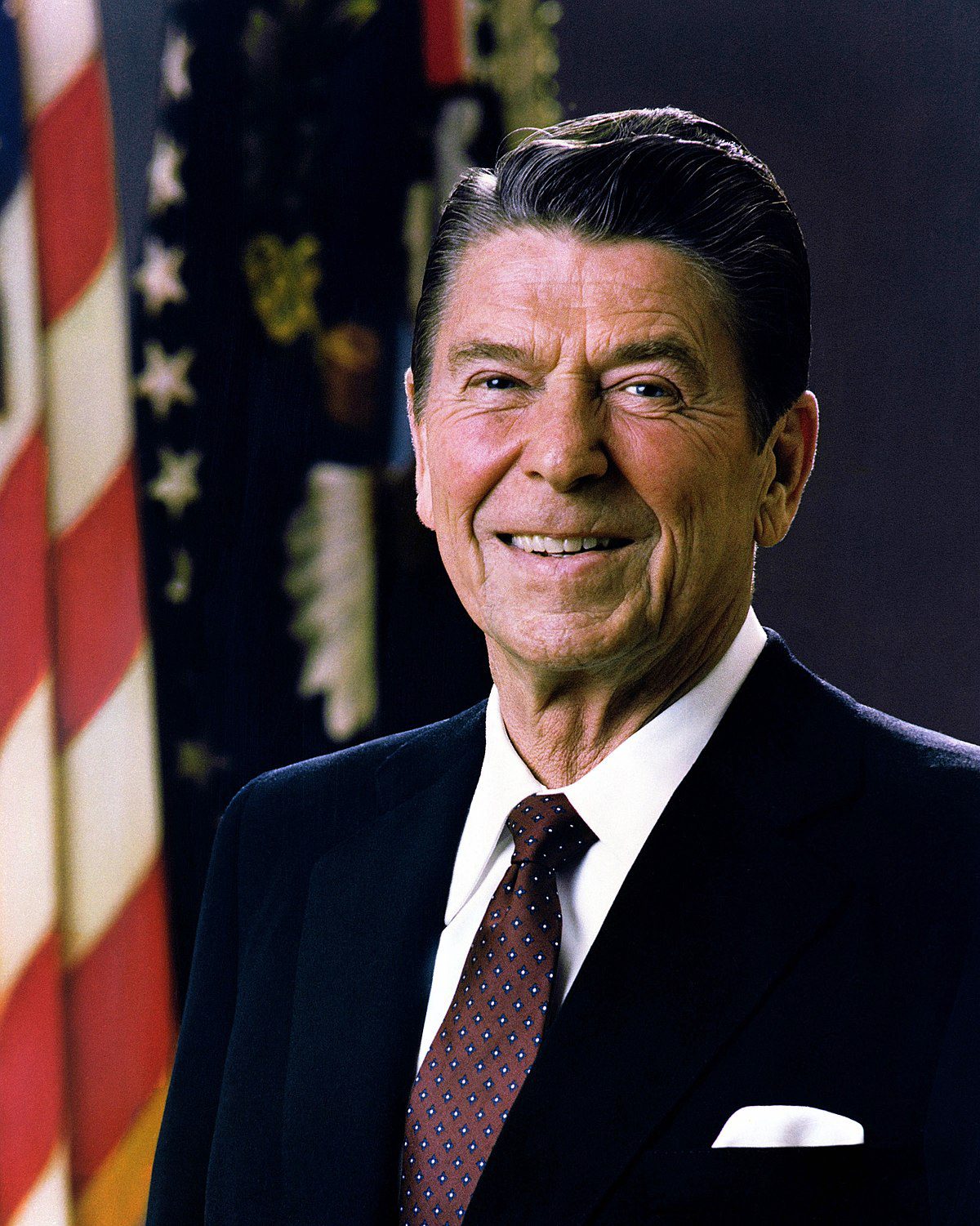
Ronald Reagan was the 40th president of the United States of America, serving from 1981 to 1989. Americans remember him for his efforts to improve the country’s economic status, overcome the economic crisis and implement reforms. Ronald Reagan also implemented an anti-communist policy. He put the Soviet Union under pressure and deployed nuclear weapons in Western Europe. During one of his speeches, he referred to the USSR as “the empire of evil.”
Prior to becoming President of the United States of America, Reagan worked as a sports commentator and was an accomplished actor. Ronald Reagan ruled the country for two terms.
President Ronald Reagan died in June 2004. It should be mentioned that the farewell ceremony and burial of the country’s 40th president took place in the library. On June 7, 2004, Ronald Reagan’s body was brought to the library. The ceremony was attended by the relatives of the US President. Thousands of Americans also came to the library to bid the president farewell.
During the construction of the library, graves were made for the eventual burial of Reagan and his wife. That is why the president was laid to rest in the library’s underground storage.
This is the story of the Ronald Reagan Presidential Library. We hope you found our information useful and came to the correct conclusions.