

The 2000s left behind countless memories, but the era is most vividly remembered for its fashion. Denim skirts, low-rise everything, platforms, sparkles, and pink—the 2000s created a unique atmosphere of carefree and glamorous self-expression. Among the brands that defined the Y2K aesthetic, Juicy Couture holds a special place. It is a company that survived a meteoric rise, a fall, and a triumphant return. It’s a vibrant example of how two friends from Los Angeles turned a dream into a global phenomenon. Starting with the idea of creating comfortable clothing for women, they grew into a brand that became a symbol of glamorous living, female power, and self-expression. Velour tracksuits with sparkle, pink hues, and a terrier logo—all of this became more than just fashion; it became a culture. Juicy Couture embodied a new philosophy: comfort can be luxurious, and pink can be powerful. Read more at losangeles1.one.
Founding the Brand
The Juicy Couture story began in 1989 in Pacoima, California. Two creative women—Pamela Skaist-Levy and Gela Nash—founded their own brand, Travis Jeans, which specialized in fashionable maternity pants. In 1996, they decided to change the concept and renamed the company Juicy Couture. Their goal was to create “casual luxury” for every woman.
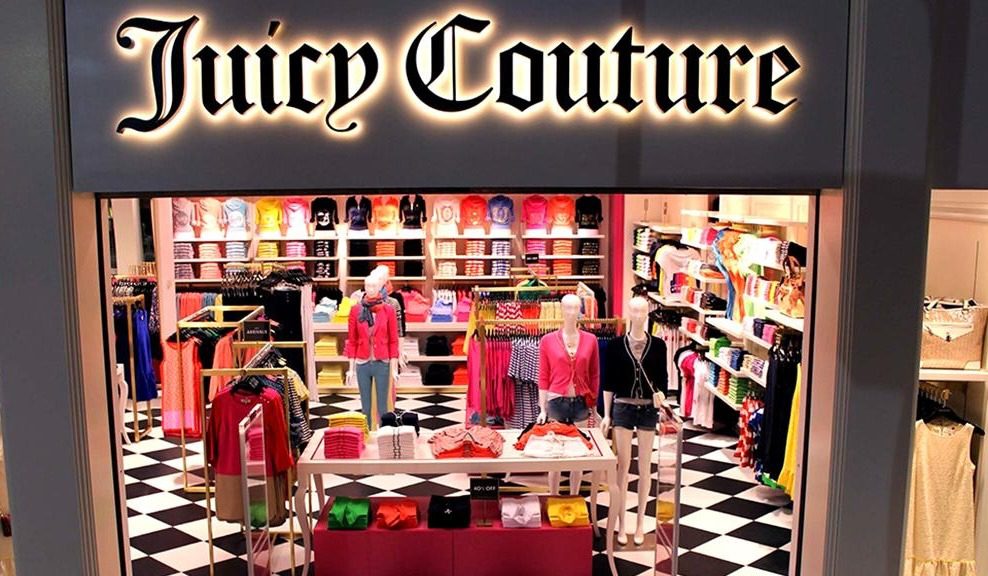
The new brand adopted its recognizable symbol: two Scottish Terriers holding a shield with three hearts and the inscription ‘Love P&G’ (Pamela & Gela), topped with a crown. This crest became the visual embodiment of femininity, playfulness, and the glamorous spirit of Los Angeles.
The Celebrity Breakthrough
The turning point for Juicy Couture came in 2001. After several years of experimentation, the founders decided to send their items to celebrities—and it paid off handsomely. Everything changed when Madonna received a custom-made velour tracksuit. After photos of the Queen of Pop in the outfit surfaced, the world started talking about a new trend: sporty chic meets glamour.
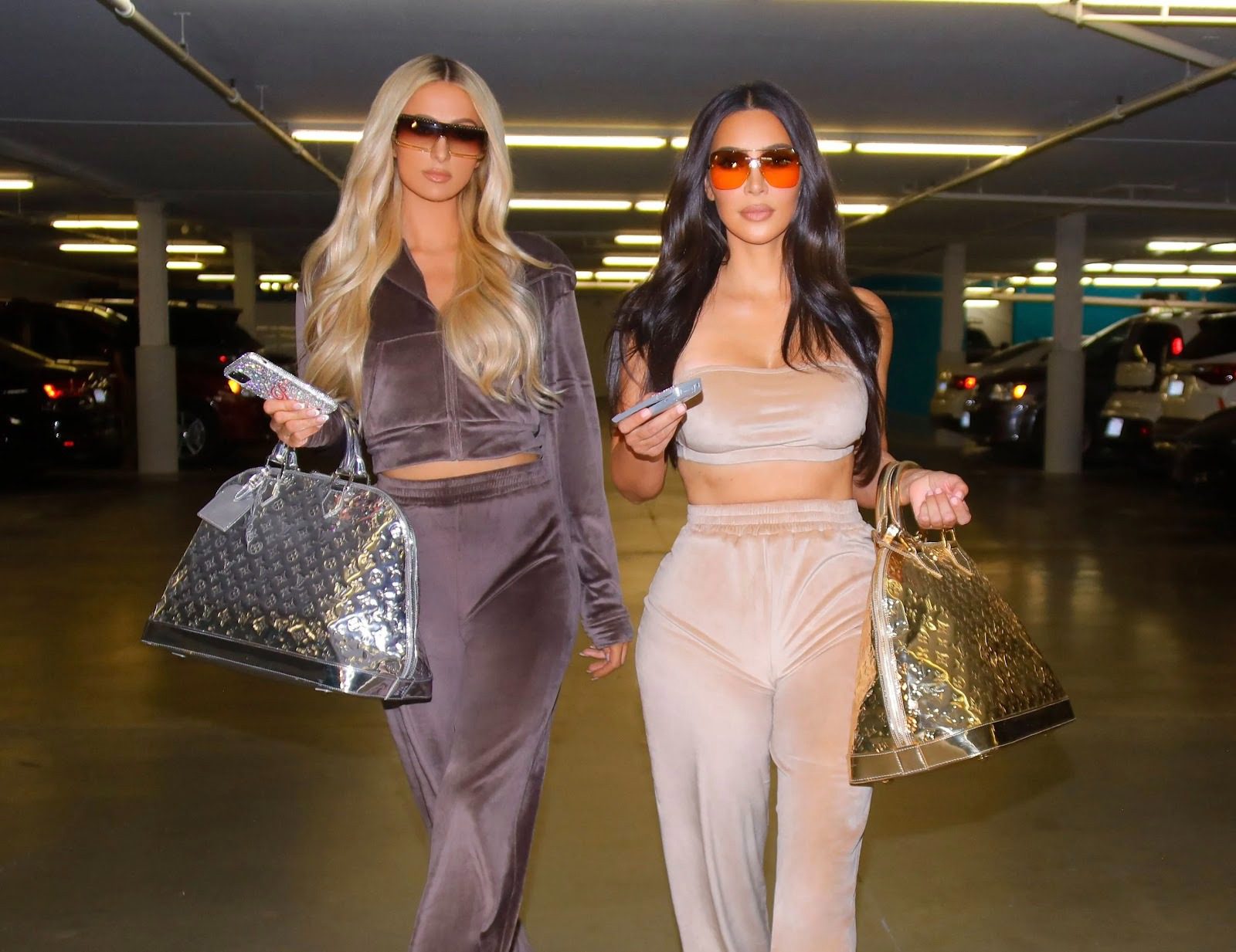
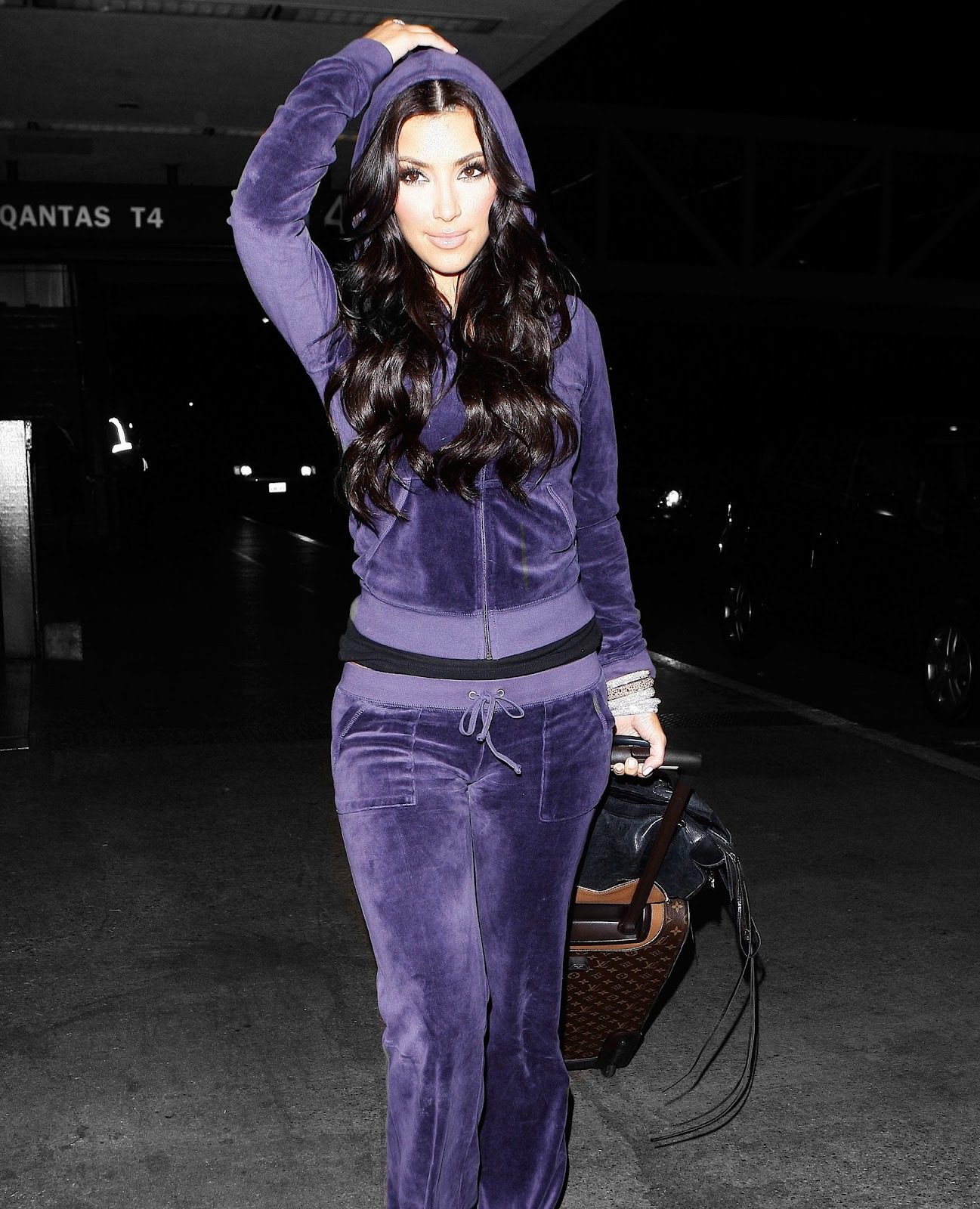
That same year, Juicy Couture introduced its legendary design: the velour tracksuit in bright, candy colors with the sparkling word ‘JUICY’ emblazoned across the back. This tracksuit became the fashion manifesto of the era. It was worn by Paris Hilton, Kim Kardashian, Jennifer Lopez, Britney Spears, and Lindsay Lohan—each adding a bit of their own “star magic” to the look.
Juicy Couture pioneered a new style—casual luxury—where designer items looked appropriate everywhere from Starbucks to the red carpet. Scenes of Paris Hilton strolling through Beverly Hills in pink velour, holding a flip phone and a Yorkshire Terrier, became a visual code for the 2000s.
Glamour as a Lifestyle
The Juicy Couture brand didn’t just sell clothes; it sold an attitude of confidence, freedom, and fun. Its aesthetic was built around hyper-femininity: pink, sparkles, bows, low-rise waists, and charm accessories. It was “girlcore” before the term even existed.
Juicy Couture’s philosophy was simple: wear what you want, be glamorous even in loungewear, and be yourself. It was a fashion protest against the minimalism of the 1990s. Juicy tracksuits became a symbol of self-acceptance and lighthearted rebellion. Girls could look “cutesy” while simultaneously taking charge of their own lives.
From television to film, Juicy Couture became an integral part of pop culture. It was worn by characters in shows like “The O.C.,” “Desperate Housewives,” and “The Simple Life,” as well as films like “Mean Girls.” Amy Poehler, playing the “cool mom” in a pink Juicy tracksuit, created a new archetype: a fun, stylish woman who was living life to the fullest. Paris Hilton and Nicole Richie on “The Simple Life” proved that you could even be glamorous on a farm. Juicy Couture became the outfit of choice for television and fashion icons who embodied the dream of a luxurious, carefree life in Los Angeles.
The Peak and the Decline
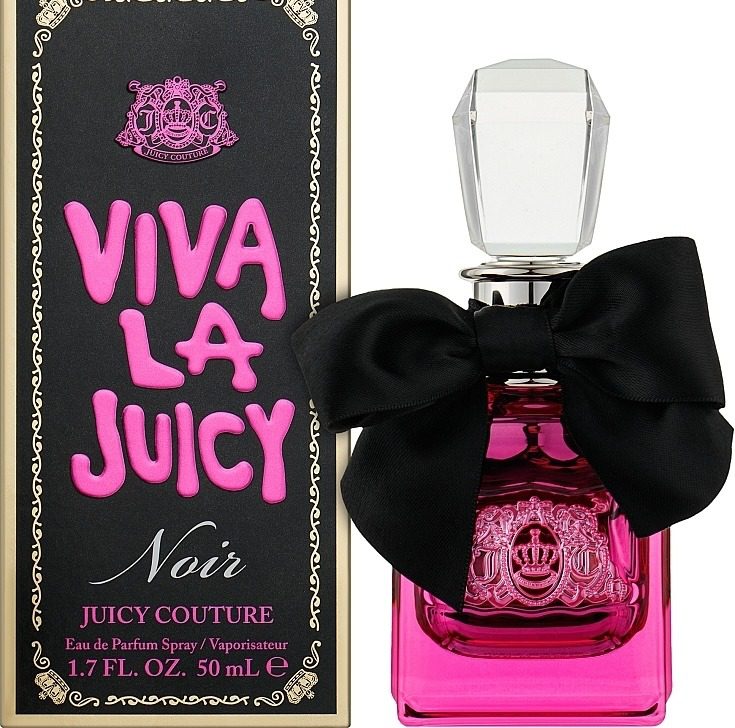
By the mid-2000s, Juicy Couture had become a full-fledged fashion house. Beyond velour tracksuits, the brand released handbags, jewelry, lingerie, swimwear, children’s lines, and even the “Viva La Juicy” fragrance, which instantly became a bestseller. All products, from charm-laden bags to perfumes and even dog collars, carried the same message: “Life should be bright and juicy.”
In 2003, the company was acquired by Liz Claiborne Inc. (later Fifth & Pacific), which brought Juicy Couture millions but gradually altered its character. Within a few years, the company’s annual revenue reached $200 million, and even during the 2008 economic crisis, the brand hit a record of $605 million—22% more than the previous year. By 2009, the founders had left the brand, and fashion shifted: minimalism took the stage. Glittery glamour began to look a little too over-the-top. By 2014, most of the brand’s dedicated U.S. stores had closed. Yet, Juicy didn’t disappear—it simply changed form. Products were sold through retailers like Kohl’s, JCPenney, and online platforms, and the brand remained a favorite among collectors.
The Revival
In 2013, the brand was acquired by Authentic Brands Group (ABG), which bet on nostalgia and strategic collaborations. In 2017, the Vetements x Juicy Couture collection at Paris Fashion Week brought the velour tracksuits back to the runway—in a new, ironic format.
As the world searched for comfort and familiar feelings, people remembered the velour tracksuits they had spent their best years in. This timing allowed Instagram and TikTok to make Juicy popular again. The hashtags #JuicyBack and #JuicyForever garnered millions of views, and the brand officially relaunched its online store in December 2020. The results were immediate: by 2024, Juicy Couture’s annual revenue reached $324 million, making it a symbol of successful, nostalgia-fueled rebranding.
In 2025, the brand announced a new collaboration with basketball star Angel Reese, who became the face of Juicy and a co-creator of the “Angel Couture” collection. Her involvement symbolizes Juicy’s transition into a new era—one of confident, young women who are not afraid to shine.
What helped the brand come back?
- New Faces, New Energy. Just like in the 2000s, Juicy once again focused on celebrities. Bella Hadid, Kylie Jenner, and Saweetie began appearing in the updated tracksuit styles;
- Resale Culture. The rise of platforms like Depop, Vinted, and Poshmark gave a second life to the original velour tracksuits. The younger generation sought “authentic” 2000s pieces, which fueled interest in the brand’s new collections;
- Collection Updates. Juicy Couture didn’t just recreate the past; it adapted it. The brand introduced updated tracksuits made from sustainable materials and added modern elements like crystals, satin inserts, and ethical production practices. In November 2023, the Heritage collection was released, blending classic style with contemporary sensibilities.
The story of Juicy Couture is a tale of brand renaissance, one that successfully leveraged nostalgia, social media, and a love for self-expression to become relevant again. Its journey is a reminder: fashion is cyclical, and true style never entirely fades. More than just a fashion story, Juicy Couture is a story about self-expression, female energy, and the boldness to be yourself. It proved that comfort can be glamorous and that pink is a color of power. The brand is experiencing its revival: with new ambassadors, modern silhouettes, and the same DNA—sparkle, confidence, and a love for life. Juicy Couture leaves a shimmering legacy in fashion history, showing that the best accessory is self-assurance.