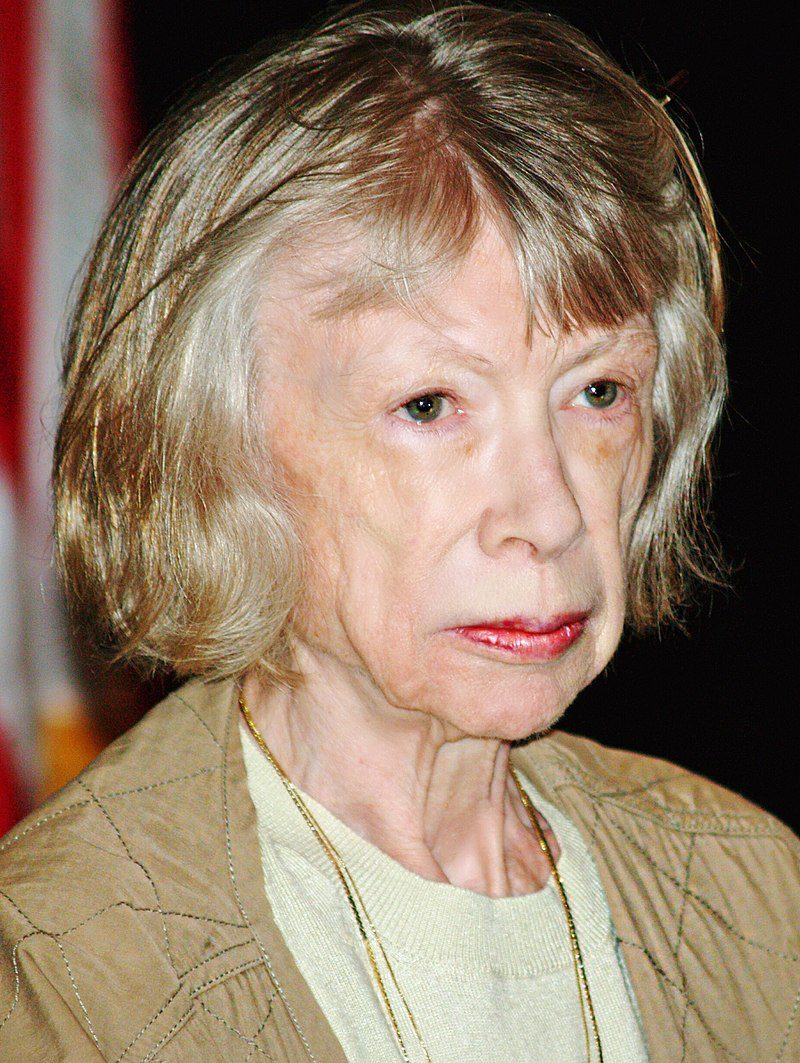
The story of this legendary woman truly deserves our attention. Joan Didion made her mark as an American writer and journalist, a trailblazer of the New Journalism movement. To learn more about her life and the work she poured her heart into, visit losangeles1.one.
Early Life and the “Prix de Paris” Essay
Joan Didion’s journey began in Sacramento, California. She grew up with a brother five years her junior. In an interview, she recalled her childhood, admitting she never envisioned herself as a writer. Yet, she had been taking notes since the age of five. She described her younger self as a shy child who adored books, overcoming social anxiety through acting classes and public speaking.
While she spent most of her childhood in Sacramento, the family traveled around during World War II. This allowed them to stay closer to her father, who was serving as an officer in the Army Air Corps.
As a teenager, Joan Didion was already typing out Ernest Hemingway’s works, clearly setting her apart from her peers.
In 1956, Joan earned her Bachelor’s degree in English from the University of California, Berkeley. In her final year, she won the prestigious “Prix de Paris” essay contest, sponsored by Vogue magazine. Her chosen topic was William Wilson Wurster, an American architect and architecture professor at both UC Berkeley and MIT, renowned for his residential designs in California.
Winning the essay contest led to a coveted offer: an assistant research position at Vogue.
Career at Vogue
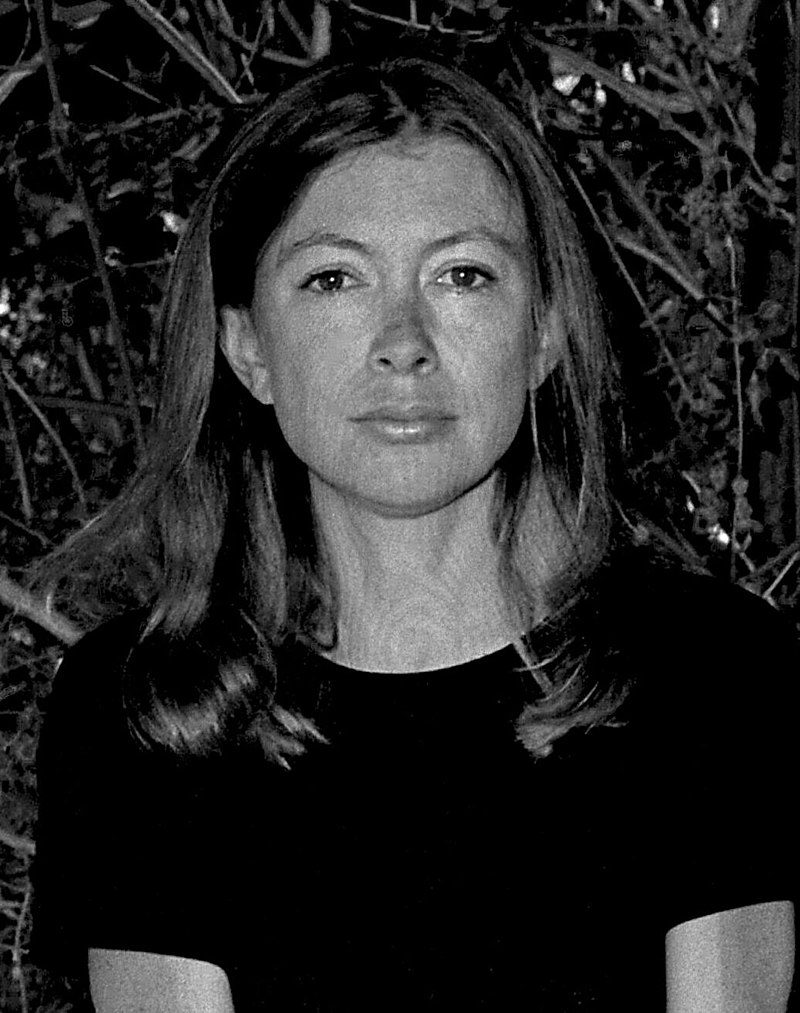
Joan Didion worked at the iconic magazine from 1956 to 1964, rising from a copywriter to associate features editor. During this time, she also contributed to other publications. For instance, the women’s magazine “Mademoiselle” featured her article “Berkeley’s Giant: The University of California” in January 1960.
While at Vogue, Didion penned her first novel, infused with a palpable longing for her native California. Family stories of pioneer life and familial breakdown also heavily influenced its creation. Her debut novel, “Run River” (1963), didn’t sell well but garnered critical acclaim, leading to a contract offer for a second book. The novel was even edited by her close friend and fellow writer, John Gregory Dunne.
These same themes inspired Didion’s memoir, “Where I Was From” (2003), in which she explored frequent moves and a perpetual feeling of being an outsider.
Personal Life
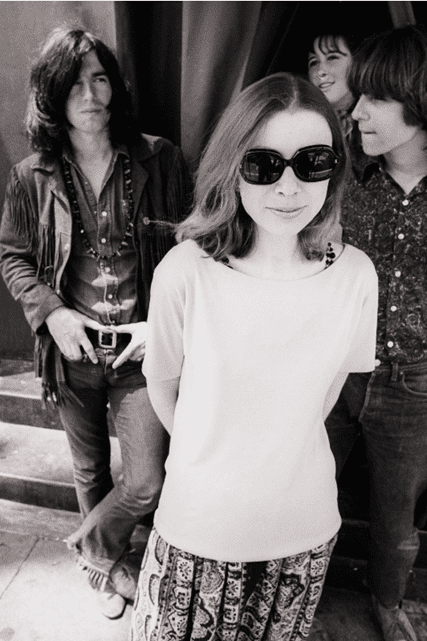
Joan Didion married John Gregory Dunne in 1964. He was an aspiring writer who, at the time, was writing for “Time” magazine.
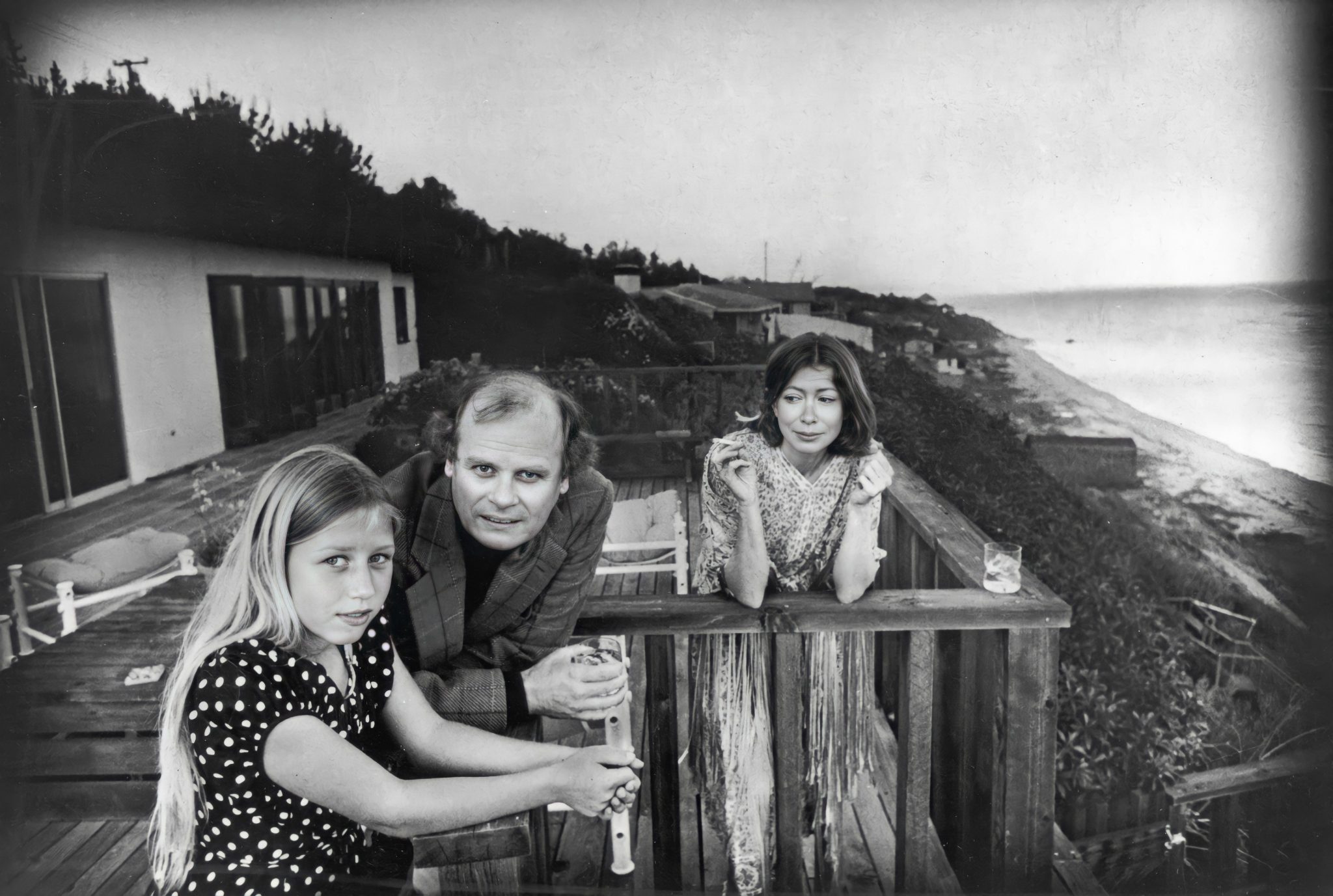
The couple then moved to Los Angeles. What was intended to be a temporary stay (roughly six months) ended up becoming their home for the next two decades. Two years into their marriage, they adopted a daughter, whom they named Quintana Roo, after the state on Mexico’s eastern coast (often shortened to Quintana).
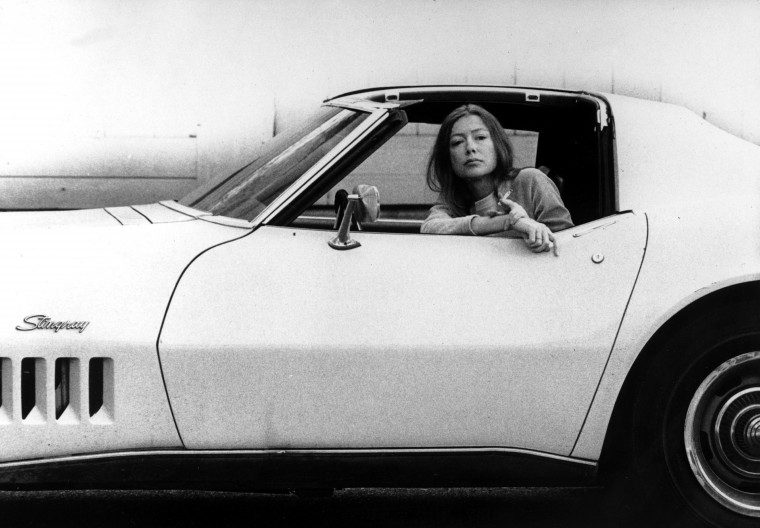
During this period, the couple took on numerous assignments for various magazines, a hustle that allowed them to rent a sprawling, semi-dilapidated Hollywood mansion and purchase a Corvette Stingray sports car. They initially settled in the Los Feliz area of Greater Hollywood (from 1963 to 1971) before moving to the quiet, affluent Los Angeles suburb of Brentwood.
In “Notes on John,” Didion reflected on a feeling that she and her husband had somehow let their daughter down, that they hadn’t done enough.
In 2003, Quintana fell gravely ill with pneumonia, which escalated into septic shock, leaving her in a coma in intensive care. Tragically, her husband John suffered a fatal heart attack on December 30th.
Joan Didion postponed the funeral for three months until her daughter recovered. After the funeral in Los Angeles, Quintana collapsed at the airport and hit her head, requiring brain surgery for a hematoma.
The author poured her grief into the book “The Year of Magical Thinking” (2004). This was her first non-fiction book that wasn’t a collection of previously published journalistic pieces. Quintana passed away on August 26, 2005, from acute pancreatitis at the age of 39, coinciding with the New York promotional campaign for “The Year of Magical Thinking.”
Joan Didion later wrote about her daughter’s death in the book “Blue Nights.”
New Journalism
Life in California opened up vast opportunities for Didion to write in her distinctive personal style, which later became known as “New Journalism.” This style is also associated with other influential writers like Norman Mailer, Tom Wolfe, Hunter S. Thompson, and Gay Talese. In 1968, Joan Didion published “Slouching Towards Bethlehem,” a collection of essays that vividly depicted the counterculture of the 1960s. The book received widespread critical acclaim and became one of the decade’s most significant works.
In 1970, Joan Didion released her second novel, “Play It As It Lays.” Set against the backdrop of aimless souls adrift in the periphery of the film industry, the novel powerfully conveys a sense of alienation.
Collaborative Work
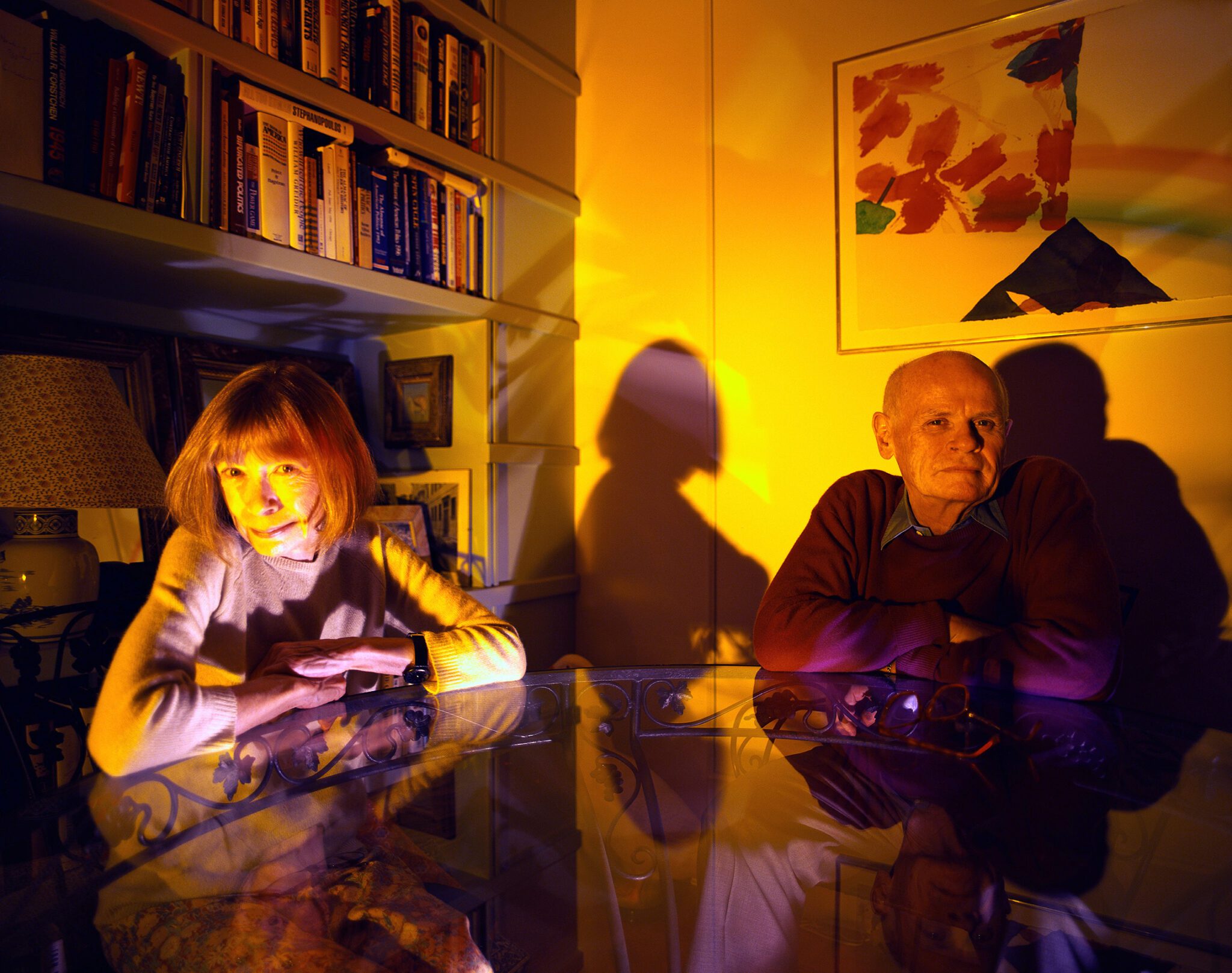
Joan Didion and John Gregory Dunne were not just life partners but also creative collaborators. Here are a few of the works they tackled together:
- They co-wrote the screenplay for “The Panic in Needle Park” (1971), transporting audiences to New York and the world of homeless addicts. This film also featured a young Al Pacino. It was a groundbreaking work that established the couple as one of Hollywood’s most sought-after screenwriting teams, providing an additional income stream beyond their journalism and fiction.
- In 1972, they adapted Didion’s novel into the screenplay for “Play It As It Lays.” This film offered a stark look into the human psyche and societal issues, emerging as a profound psychological portrait that captured internal turmoil and an identity crisis.
- The couple penned the screenplay for “A Star Is Born” in 1976. This remake of the classic film was reimagined for a new generation, starring Barbra Streisand and Kris Kristofferson. It tells the story of a talented singer whose career skyrockets while her rock star husband battles addiction and declines. The film achieved immense commercial success and critical acclaim.
- They also wrote the screenplay for “True Confessions” (1981), an adaptation of Didion’s novel. This crime drama plunges viewers into the darker underbelly of American society, rife with corruption, intrigue, and secrets. The work is notable for its sharp plot, deeply developed characters, and somber atmosphere.
- Their final collaboration was the 1996 screenplay “Up Close & Personal,” starring Hollywood heavyweights Robert Redford and Michelle Pfeiffer. This film tells the story of an ambitious young woman from a small town who dreams of becoming a television anchor. She meets an experienced journalist who helps her develop her career. What could have been a simple romantic story is complicated by challenges. The screenplay explores themes of ambition, mentorship, moral compromises, and the harsh realities of the media industry.
Later Works and Legacy
In 2021, the renowned writer and journalist published her final collection, “Let Me Tell You What I Mean,” featuring 12 essays written between 1968 and 2000.
Joan Didion passed away on December 23, 2021, from complications of Parkinson’s disease. She left an indelible mark as a cultural icon, novelist, and essayist, earning numerous awards and accolades, including the National Medal of Arts from Barack Obama in 2013.
Yet, more resonant than any award are the powerful words she left behind.