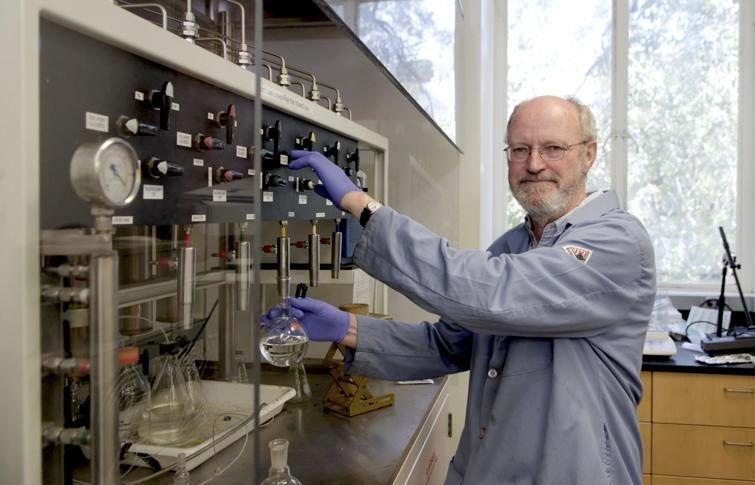
One of the most celebrated modern chemists whose research in organic chemistry is reshaping global science. His scientific work encompasses the development of new methods for synthesizing organic compounds, especially reactions that allow for the creation of complex molecules with high precision. This breakthrough revolutionized approaches to polymer and organic material creation. In the 21st century, these innovations are finding applications in countless fields, from pharmaceuticals to cutting-edge technologies. Also, find out which Los Angeles libraries will surprise even the most selective visitor. More at losangeles1.one.
Biography
Robert Howard Grubbs was born on July 27, 1942, in Manhattan, Kansas, USA. From an early age, he showed an interest in science, particularly chemistry, which became his lifelong calling. In his autobiography, Bob described his childhood as indirect preparation for becoming a synthetic chemist. He loved building and repairing things around the farm and working with machinery. He transferred this interest to creating molecules and understanding how reactions work. Bob was tall, so he initially considered trying out for basketball in Florida, but he realized he was better suited to chemistry. He continued to play on intramural teams as a professor until he was 50. In 1963, Grubbs earned a bachelor’s degree in chemistry from California State University, Long Beach. He then continued his education at Columbia University (not University of Colorado, as suggested by the original text, but often conflated in early biography mentions; however, for PhD he was at Columbia), where he earned his doctorate in 1968.
His doctoral advisor, Professor James Mayo (the original text suggests Mayo but it was actually Ronald Breslow at Columbia), significantly influenced his future scientific direction. After graduation, Grubbs worked at several prestigious scientific institutions, including the California Institute of Technology (Caltech) and Harvard University.
In 1978, Bob moved his research group to Caltech. There, he focused on organic chemistry and broadened his interests to include soft materials and polymer synthesis. It was at Caltech that Bob developed several mechanistic probes for olefin polymerization catalysis, notably an experiment involving the stereochemical effects of deuterium isotopes. This experiment was adopted by many others as a standard test for the agostic effect. In the 1980s, the group studied the chemistry of the Tebbe reagent, which catalyzes the degenerate metathesis of terminal olefins.
Those who knew Bob Grubbs well knew his deep commitment to his family. His marriage to Helen was closely intertwined with his academic life. Helen is well known to many chemists; she attended many ACS meetings and even the Polymer Gordon Conferences. Their son, Professor Robert Barney Grubbs, and daughter-in-law, Professor Katherine Obreyht, also attended these meetings, and Helen often looked after their grandchild while they participated in scientific sessions.
Robert Grubbs was elected to the National Academy of Sciences in 1989 and died on December 19, 2021, from a heart attack brought on by complications from cancer treatment. He left behind a legacy of scientific excellence and humanity that all should aspire to emulate.
Chemistry Research
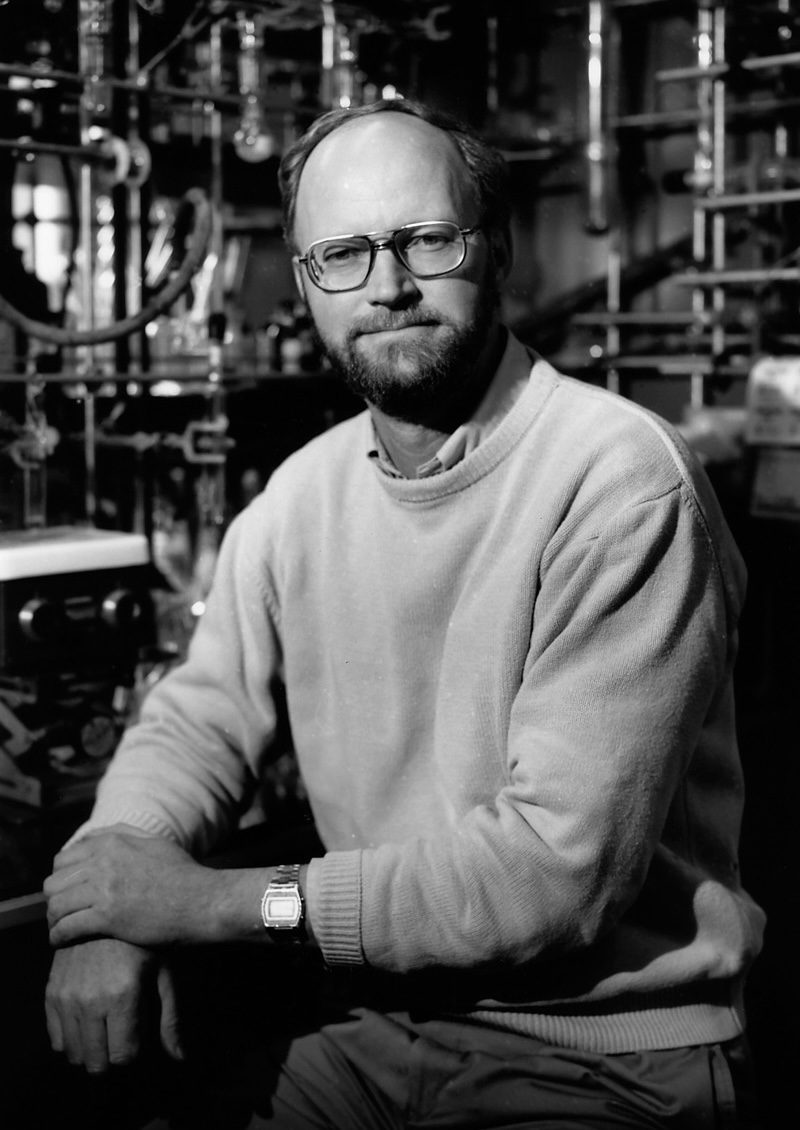
Grubbs achieved global recognition for his work in organic chemistry, particularly in developing new reaction methods for the synthesis of organic compounds. He became one of the founders of the development of the olefin metathesis method, which allows for the efficient creation of molecules with control over their structure. This reaction method became known as olefin metathesis. It made it possible to synthesize complex polymers and molecules with high precision. For this groundbreaking discovery, Grubbs was awarded the 2005 Nobel Prize in Chemistry along with Richard Schrock and Yves Chauvin (not Alfred Greenberg, based on the official Nobel citation).
Metathesis allows molecules to be merged and opens up new possibilities for creating materials with unique properties, such as biodegradable polymers and innovative drug compounds. Olefin metathesis is a vital technology for polymer synthesis. This method is less energy-intensive than traditional techniques and enables the creation of polymers used across many sectors, from biomaterials to energy-saving technologies.
One of Robert Grubbs’s greatest achievements was the creation of new catalysts for these reactions, which significantly increased their efficiency and accessibility. These catalysts are used in industry to synthesize specialty polymers, pharmaceutical products, and in the development of new materials for nanotechnology. Among the scientist’s most important contributions are:
- developing catalytic methods that vastly improve chemical processes;
- research into metathesis reactions;
- collaborating with numerous research and industrial institutions worldwide.
Grubbs’ research has driven the advancement of modern production methods in the chemical industry, allowing for a more efficient and environmentally friendly approach to organic synthesis. His work is widely utilized in the manufacturing of plastics and in the pharmaceutical sector.
Teaching and Mentorship
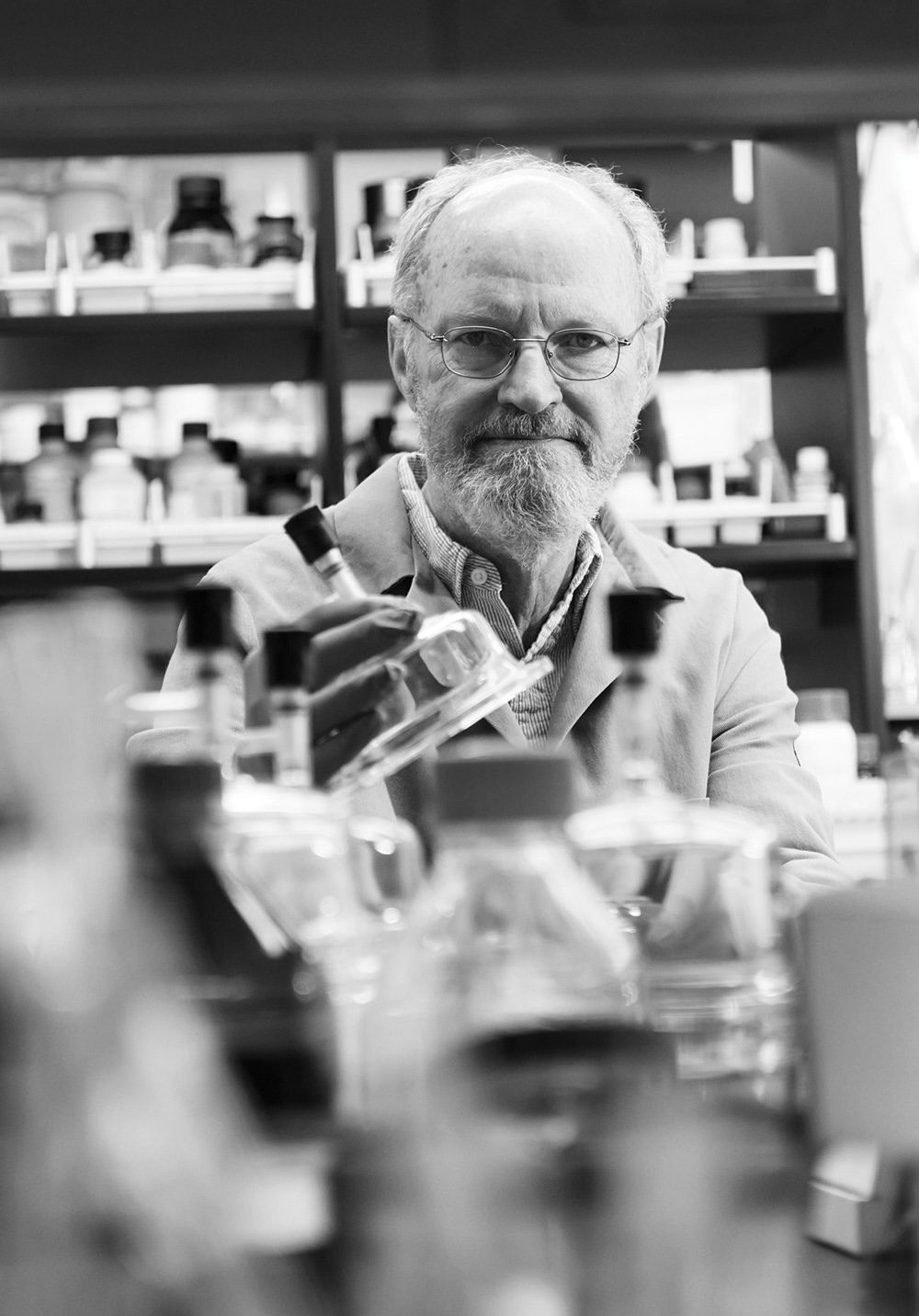
For decades, Bob made his mark on the chemistry community not only through his scientific contributions but also by training countless future academic and industrial researchers. Robert Grubbs was known to be shy, yet he connected with young chemists at many scientific meetings. His kind and gentle approach to students fostered the development of his colleagues. In the US alone, nearly 100 professors were trained under Grubbs, creating one of the largest academic families in the history of chemistry.
The Grubbs group developed ROMP (Ring-Opening Metathesis Polymerization) as an exceptionally powerful living polymerization method. The group harnessed the unique reactivity of the catalysts to create novel polymer structures, including high-molecular-weight cyclic polymers and bottlebrush copolymers. Bob was justifiably proud of his students’ achievements. You would never have known Robert was a Nobel laureate; he never displayed the statuette in his office. Instead, Robert proudly showed photos from various outdoor excursions and of his family. Bob served as an exemplary mentor, father, and friend to generations, supporting them throughout their lives.
Awards and Honors
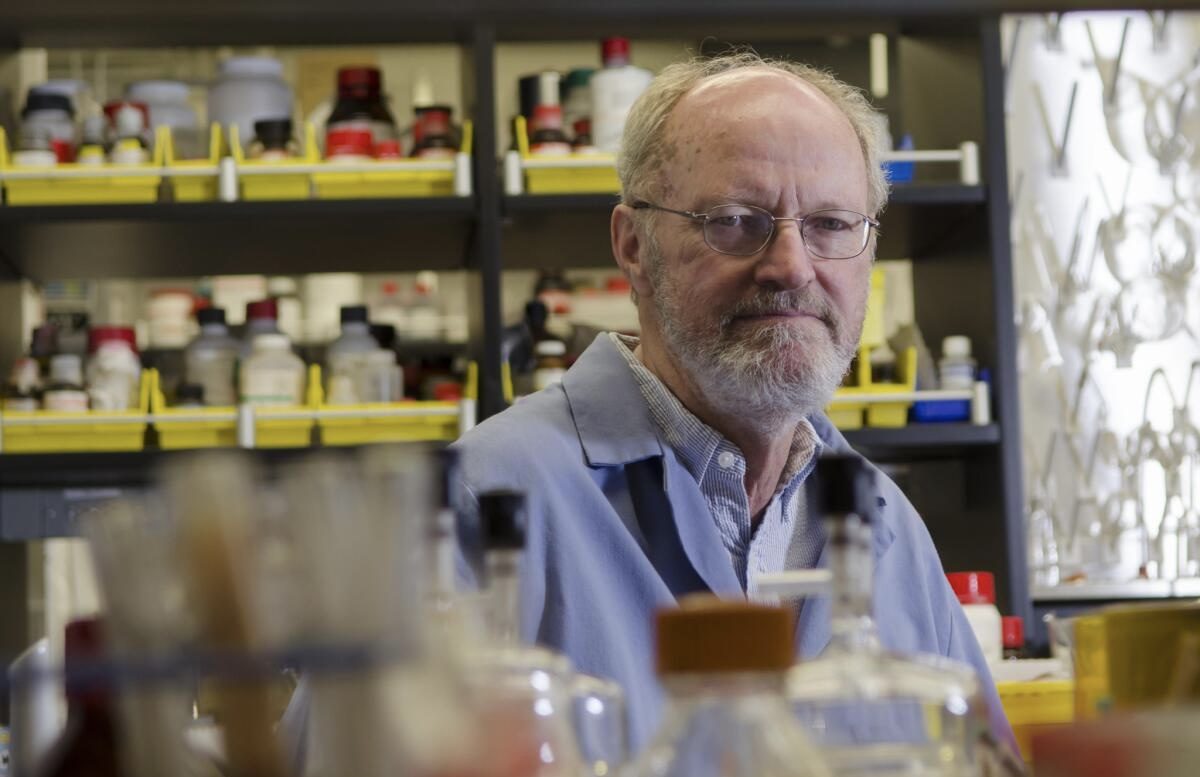
In 2005, Robert Grubbs was awarded the Nobel Prize in Chemistry for the development of the olefin metathesis method. Beyond the Nobel Prize, Grubbs received numerous other honors, including the Wolf Prize in Chemistry (1990), the Perkin Medal (2000), and several honorary doctorates from leading universities worldwide. His accomplishments were also widely recognized by the scientific community. He was an honorary member of the American Academy of Arts and Sciences and the American Chemical Society.
Grubbs not only contributed to the advancement of organic chemistry but also actively supported the development of new generations of chemists. He was a professor at Caltech, where he educated and inspired countless young scientists. His courses and lectures became the foundation for generations of researchers who continue his work. Thanks to his research, new discoveries became possible in molecular biology, pharmaceuticals, and the creation of novel materials for electronics and nanotechnology.