

At the intersection of fashion, culture, art, and street philosophy, The Hundreds was born—a brand that became part of Los Angeles’ DNA. Over two decades of existence, it traveled from a few botched t-shirts sewn in the founders’ apartment to a global symbol of a movement that united generations. This story is not just about the success of a brand, but about how two law students changed the face of American street culture, turning a simple idea into a phenomenon that blended creativity, community, and social consciousness. Read more at losangeles1.one.
Founding the Brand
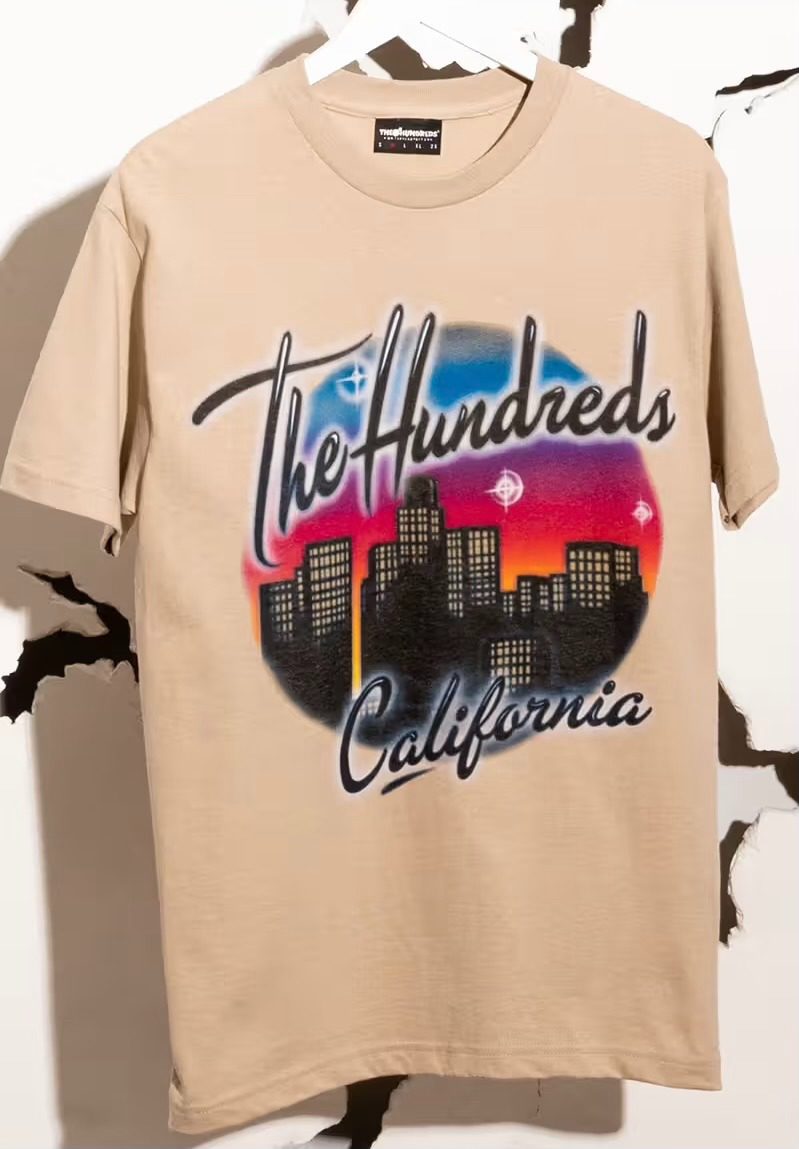
It all started in the early 2000s within the walls of Loyola Law School, where Bobby Kim and Ben Shenassafar met. They quickly realized that jurisprudence was not their calling. Both were united by a shared love for culture, graphic design, music, and street style. Their initial idea was simple: to create t-shirts that told stories about the world they lived in—about hip-hop, skateboarding, and street art. They opened their “dream workshop” in Bobby’s studio, where the first items were produced. They were far from perfect—out of 144 printed tees, only 25 were salvageable. But those 25 t-shirts became the first batch they sold at the legendary Fred Segal store. From there, the journey into the world of streetwear began.

Creating the Legend
The name ‘The Hundreds’ was suggested by Bobby—it symbolized the idea of “power in numbers,” a community greater than any individual. One of the first iconic items was the “Hip-Hop Is Dead” t-shirt, which instantly went “viral” long before the age of social media. It was worn by Jay-Z, Nas, and other hip-hop stars.
When the brand opened its store on Fairfax Avenue in 2006, that street was not yet the center of youth culture. But The Hundreds made it one. The store quickly transformed into an unofficial club where designers, musicians, skaters, and artists gathered.
The Hundreds became more than just an apparel brand—it was a movement. The brand turned into a platform that united people from various backgrounds. It was dubbed a “culture magnet”—a place where music, art, sports, and gastronomy intersected. Parties were held on Rosewood Avenue, music videos were shot, and celebrities visited, including Kid Cudi, Frank Ocean, Nas, and Morrissey. The brand became a living organism that shaped the tastes of a new generation. The influence of The Hundreds can be traced in the success of figures like Tyler, the Creator, Kacey Lynch (Bricks & Wood), or even renowned L.A. restaurateurs Jon Shook and Vinny Dotolo.
Over time, The Hundreds evolved into a platform that extended far beyond clothing. They created blogs long before the social media era, experimented with Web3, and organized food festivals. All of this served the same purpose: uniting people through culture. Twenty years after its creation, the brand continues to evolve. They remain true to their philosophy—”Power in Numbers,” the strength found in community.
Iconic Collaborations
The brand’s first collaboration with Disney proved that it had transcended the bounds of streetwear. Their San Francisco store was styled like Captain Hook’s cabin—complete with skulls, bones, and even hooks instead of hangers. They weren’t just selling clothes; they were creating an atmosphere of childhood fantasy and rebellion.
Another collaboration was The Hundreds x Tapatio Hot Sauce. This was no ordinary logo slap on a bottle; it was a genuine meeting of two family businesses that share a passion for their craft. They created a unique product—a hot sauce with the brand’s character. This partnership symbolized the idea that true authenticity always has flavor.
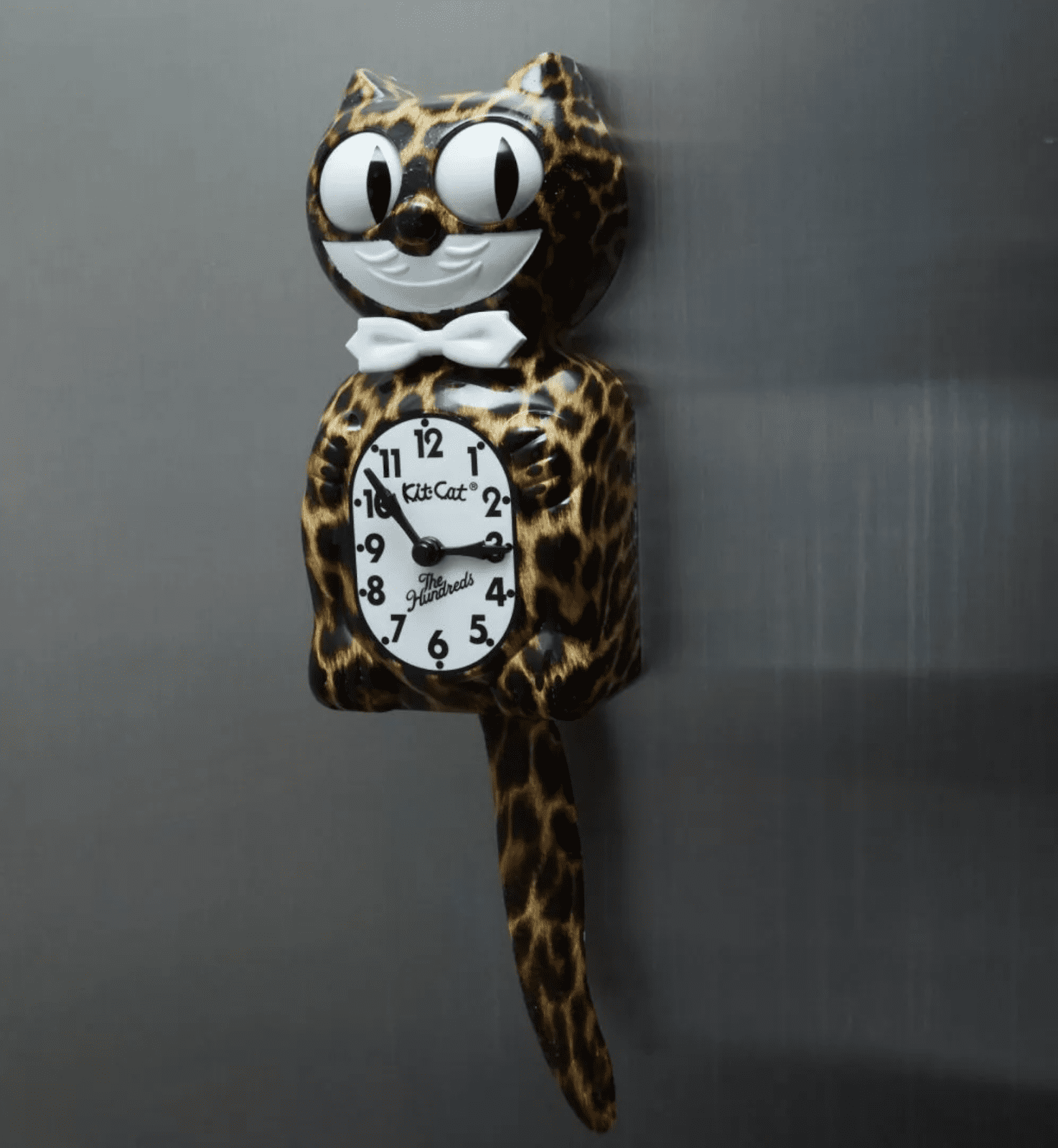
For those who grew up watching cartoons about a sarcastic cat, The Hundreds x Garfield collaboration was a nostalgic dream. The collection captured the spirit of the 1980s and 1990s, blending Garfield’s lazy irony with the vibe of skate culture. The Hundreds x Kit Kat Clock—featuring the cat clock that moves its eyes and tail—became a symbol of American classic design. This collaboration demonstrated the brand’s love for retro and nostalgic details that turn everyday objects into cultural artifacts.
When The Hundreds teamed up with PUMA in 2019, it marked a new milestone in the brand’s history. They created a collection that blended tradition and innovation, the past and the future. Titled “A Hopeful Future,” the collaboration carried an important message: sustainable development and conscious consumption. The sneakers were made from recycled rubber, polyester, and chrome-free eco-leather, while some apparel items used organic cotton. This wasn’t just style; it was the brand’s response to contemporary challenges. The idea was to move forward without forgetting their roots. That’s why the collection featured classic silhouettes like the Puma Clyde, Future Rider, and the futuristic RS-2K.
Magazine, Blog, and Book
For The Hundreds, fashion was never just about fabric, seams, or a logo. From the very beginning, the brand positioned itself as a cultural platform where the most important thing is the story you wear. That’s why, in addition to collections, The Hundreds created its own print magazine and a media platform that connects designers, artists, and streetwear fans. They don’t just showcase new items; they discuss the cultural processes behind them. This is an extension of the idea—not selling t-shirts, but sharing a vision and experience.
In 2019, brand co-founder Bobby Kim released the book “This Is Not a T-Shirt,” which quickly became a manifesto for an entire generation. In it, he describes how the brand was born, what streetwear truly is, and why community, not hype, is its core. The book’s subtitle, “A Brand, a Culture, a Community – a Life in Streetwear,” perfectly captures the essence of The Hundreds’ philosophy.
Equally important is the brand’s blog, which evolved into one of the most influential media platforms on streetwear. It’s a place where customers become friends, and store visitors become members of a large family. The Hundreds has always emphasized that true success is not measured by profits. People are at the center of everything. That’s why the company calls itself a community-based streetwear brand—a brand that exists because of its community. The Hundreds believes that the brand’s strength lies in interaction. It’s not just about selling a t-shirt; it’s about creating a space for dialogue, the exchange of ideas, and friendship.
Challenges and Changes
Fairfax Avenue in Los Angeles became a sanctuary for The Hundreds. It was here, in 2007, that the brand’s first flagship store opened—a place where fans, musicians, skateboarders, and artists gathered. Fairfax became more than just a location; it was the heart of global streetwear.
However, in 2025, The Hundreds officially closed its flagship store. In a conversation with “GQ,” Bobby Kim called it “the end of an era” and a natural stage in the culture’s evolution. The store’s closure was not the end of the story; on the contrary, it was the start of a new one. The Hundreds is seeking new formats that integrate online media, ethical production, and global partnerships.
The story of The Hundreds is not just about a successful business. It’s the story of a generation that grew up on the streets of Los Angeles, learned to create something from nothing, and wasn’t afraid to be themselves. The brand showed that street style is not just fashion; it is, first and foremost, a language through which culture speaks to people. And today, when someone wears a t-shirt with The Hundreds logo, they become part of this greater narrative—a story about creativity, friendship, and the endless power of community.